Welcome!
The Fulbright Teachers for Global Classrooms program is a year-long professional learning opportunity that includes a short-term exchange. In the fall of 2024, I participated in a semester-long course about global education with 80 fellow educators from around the United States. We convened in Washington, D.C in February 2025 and in the spring, each group began its travels. This year’s Fulbright Teachers for Global Classrooms cohorts traveled to Senegal, Uruguay, Peru and India.
Entry #1
Acceptance!
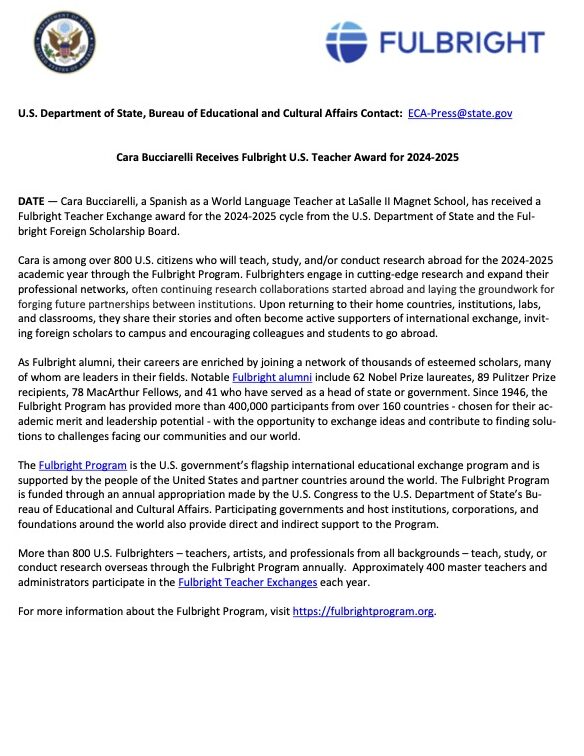
I received news that I was selected for the Fulbright Teachers for Global Classrooms program almost exactly one year ago. At that time, I had no idea then what was in store, from the ambitious course in the fall, to the Symposium in Washington, D.C., in February, to being selected to travel to India. But yet I knew that this program would help push me to learn and grow as a global educator and I felt honored to be a part of such a prestigious program.
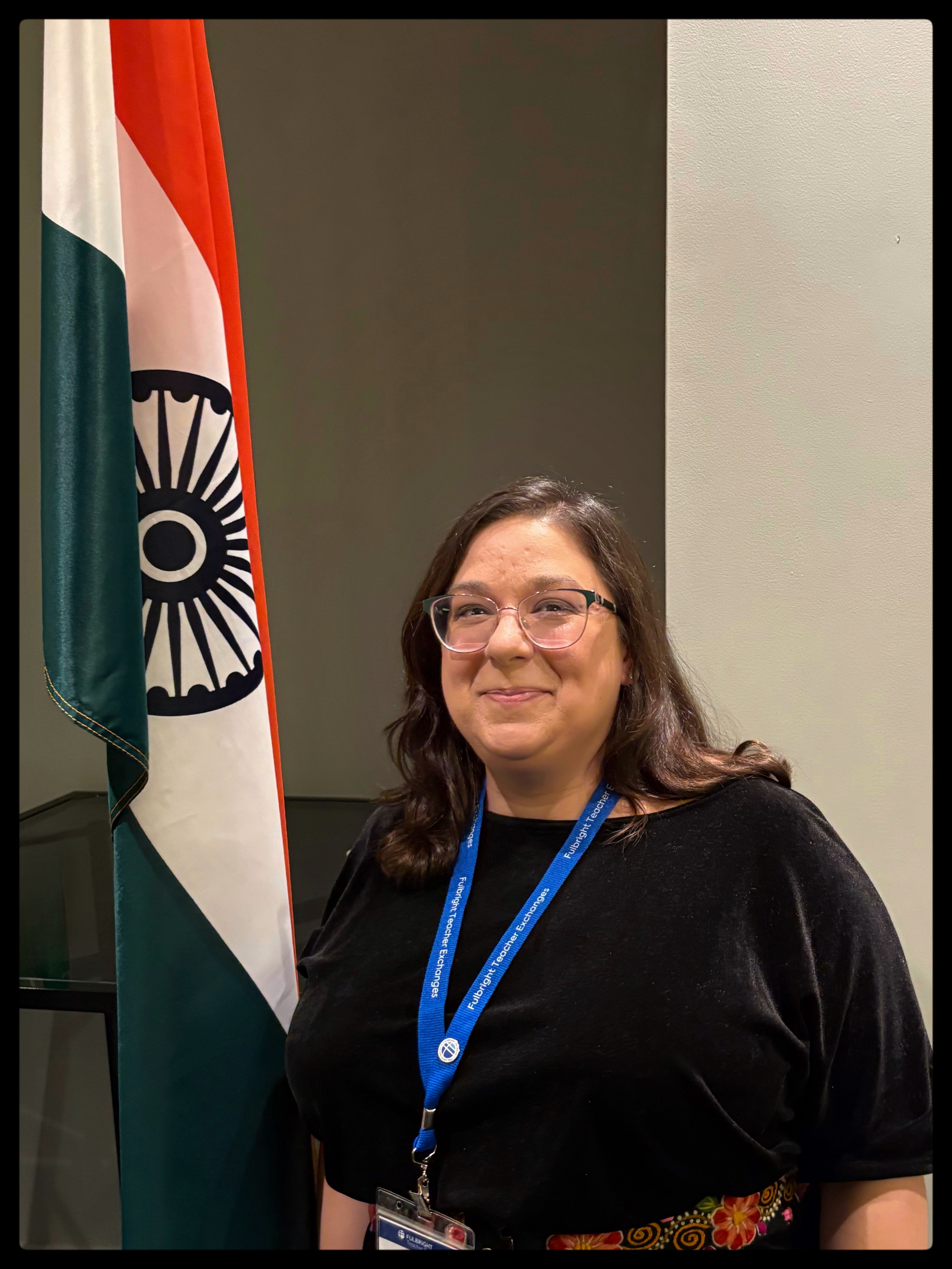
In December, at the end of the coursework, our country placements were announced. This year, participants traveled to Senegal, Uruguay, Peru and India. I was selected for India! For full transparency, I was unsure about this placement. All of my most recent teacher-travel experiences had been in countries where Spanish is spoken — Ecuador, Guatemala. Colombia. When I applied, while I was open to the thought of going anywhere, I (wrongfully) assumed that I might be placed somewhere that would relate closely to my classroom, and so the thought of going to India seemed both daunting from a personal perspective — Would it be really hot in July? Would I feel like I understood anything culturally? — as well as a professional one. I wondered how I might be able to integrate what I have learned into my curriculum, classes and school. However, as I read, talked to friends and members of my school community whose families are from India, and began to get to know a little more about the education system, my trepidation eased and I felt so excited for my field experience to come.
Entry #2
Preparation
As I was reading past Fulbright TGC participants’ blogs, I found it helpful to see what tips they had for preparation. Here are a few tips of my own, applicable to any field experience placement:
- Read! There are ample resources on a Padlet about the field experience. Take the time to read through different books and websites in order to give you both some basic understanding of history and culture and perhaps prepare you for your specific host placement once you know what it will be. I appreciated reading some fictional stories as well that were set in places I might visit. I also enjoyed reading the blogs of past Fulbrighters to India so that I had an idea of what to expect.
- Visit! If you can, visit some organizations local to you that are related to the country you’ll be visiting. You may also consider seeking out cultural opportunities ahead of time.
- Chat! Talk to those you know in your community who are from or who have visited your field placement country. Make sure to keep an open but critical mind, however, about what is said, as our own personal experiences will vary and certainly participation in this type of program also is a unique experience.
- Pack! I found the Fulbright blogs again to be very helpful overall when creating a packing list. For India, some ideas might be to make sure to bring cotton or linen clothing — I wore mostly long ankle-length dresses with shorts underneath and this worked well. An umbrella or rain jacket may be helpful, although I forgot mine half the time! Having one pair of closed-toe shoes and one pair of sandals ended up working out well. Another suggestion I was given was to make sure to have some earrings and/or accessories, which I found to be great advice. And definitely try not to overpack, which can be complicated when bringing gifts. I brought enough clothes for 8 days based on a recommendation and probably I could have done less. I did laundry twice while in India, once in Delhi and once in my host community.

Did I overpack on the way to the field experience?
Maybe.
Did I still return with an additional suitcase?
Yes.
Entry #3
Logistics and Initial Reflections
Our field experience was fifteen days long, not including travel to and from India. Approximately two-thirds of the time was spent in Delhi as a large group of nineteen teachers, with the remaining time in our host communities in groups of two or three. I was hosted, along with another Chicago teacher, by Delhi Public Schools, Electronic City in Bangalore.
During our time in Delhi, we visited both touristic sights and educational ones, toured schools, listened to presentations by a number of professors and organizations and engaged in many a conversation with presenters, educators, USIEF staff, Fulbright alumni and one another. We learned more about the efforts of organizations such as Room to Read, programs such as those developed by Pratham and school-based initiatives such as reading rooms open to students and alumni for studying all year long. We shopped at a marble emporium and Zardozi embroidery shop in Agra and at Dilli Haat in Delhi. During our free time, we explored local stores, ate great food, walked the grounds of the beautiful Imperial Hotel and tried to take small moments of quiet in order to process all that we were experiencing.
In Bengaluru, we also had the opportunity to take a city tour, during which we visited several temples, saw government buildings, ate at MTR and walked through Cubbon Park. We also toured handloom cooperatives, shopped at a cultural emporium, the country’s only GI-tagged store, sweet shops and Gandhi Bazaar market. We traveled to Mysore/Mysuru and visited the Palace, tasted many varieties of Mysore pak and saw beautiful dolls and crafts at Ramsons Bombe Mane. And of course, we spent time at DPS E-City, visiting classrooms, participating in assembles and meetings and discussing best practices with school staff.
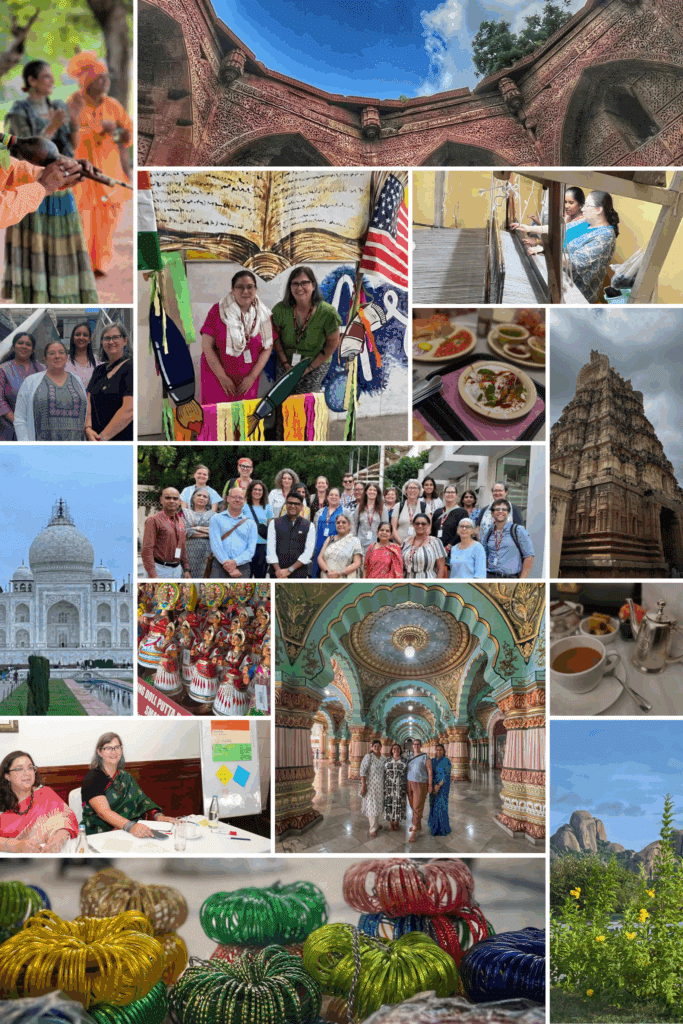
What a full two weeks it was!
As a language teacher, I have spent many years studying about varied cultures and communities related to the language I teach. In this regard, I felt somewhat unprepared to visit India, as I knew how little I knew about its long history, many languages and diverse communities. Thanks to this field experience, I know that I am both better informed than before but also have so many more questions than before about politics, religion, culture, language, education and life. Complexity, diversity and layers were words that kept resurfacing throughout our field experience. I look forward to continuing to get to know India from afar and hopefully to collaborating with some of the educators and Fulbright alumni we met along the way.
What follows are more details, reflections and gratitude for so many memories made.
Thank you, धन्यवाद्, ಧನ್ಯವಾದಗಳು to each and every person who helped to make this field experience so wonderful.
Entry #4
The Sights: Delhi
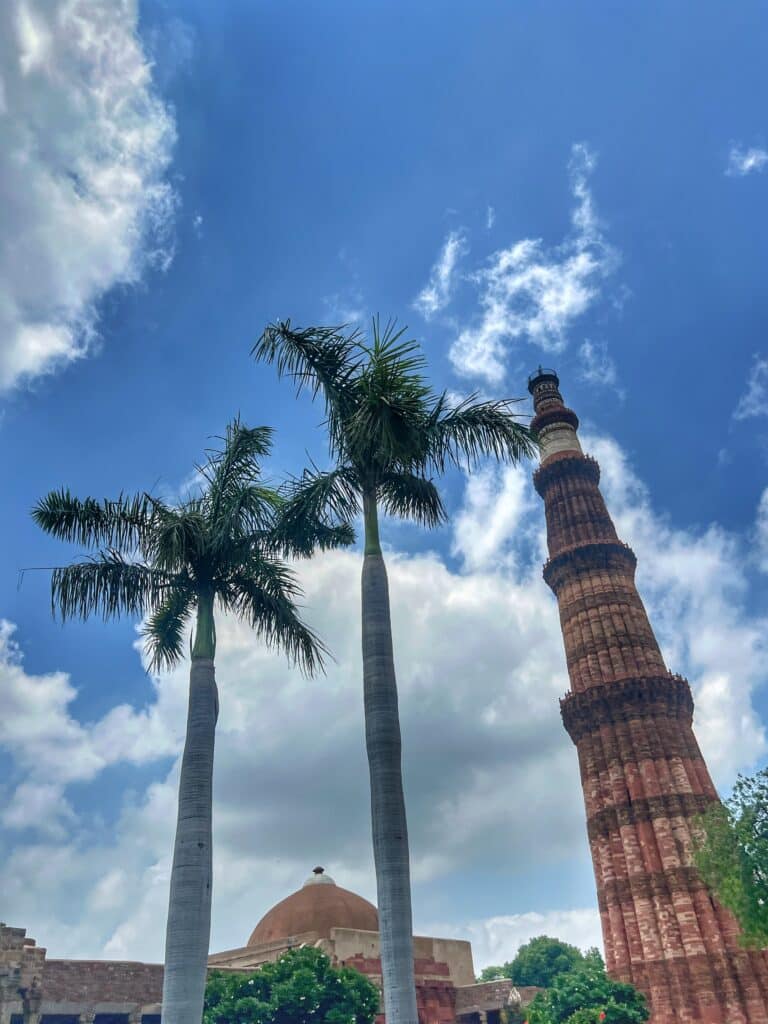
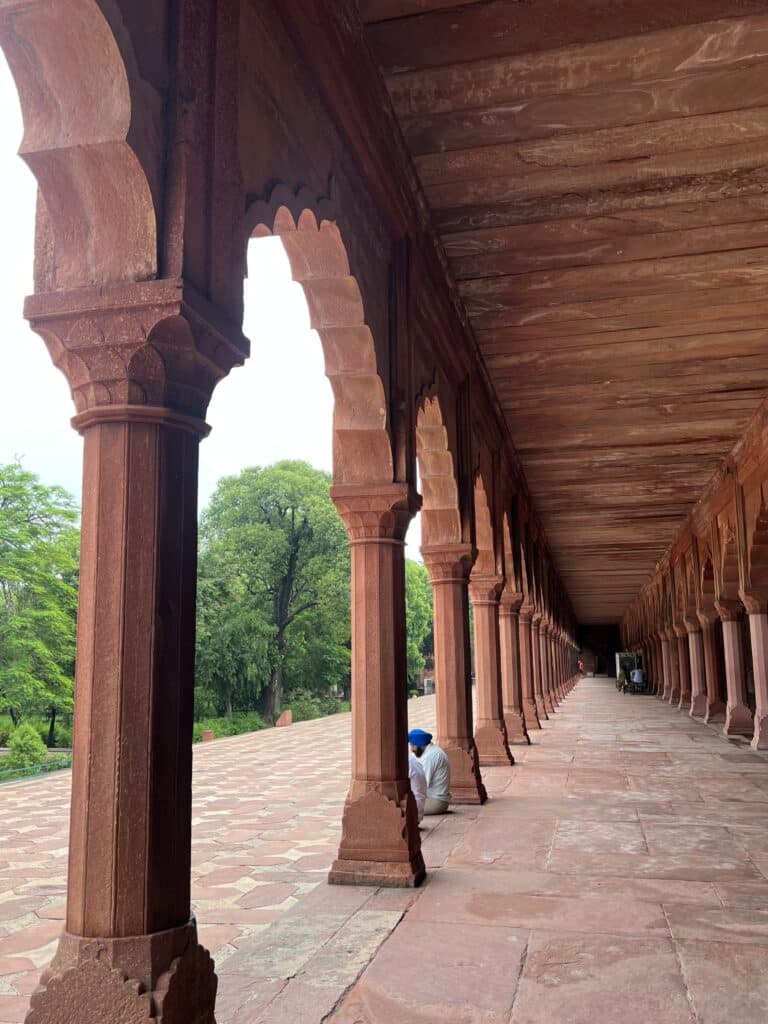
While in Delhi, we visited Humāyūn’s Tomb, the Mehrauli Archeological Park and Qutub Minar, all important Mughal sites. Delhi served as the capital of the Mughal Empire during the 16th, 17th and 18th centuries, during which time the government was centralized, trade routes were expanded and an architectural style made of cultural fusion flourished. As a world language teacher interested in cultural syncretism, I found these visits really interesting and the architecture reminiscent of historical sites in southern Spain.
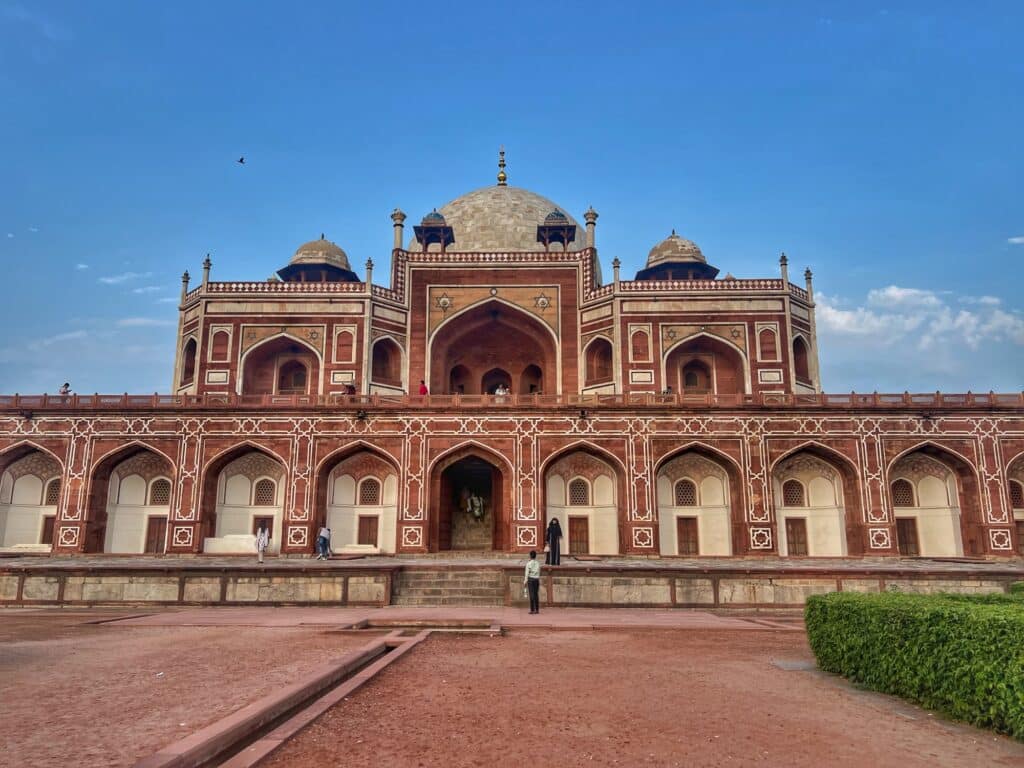
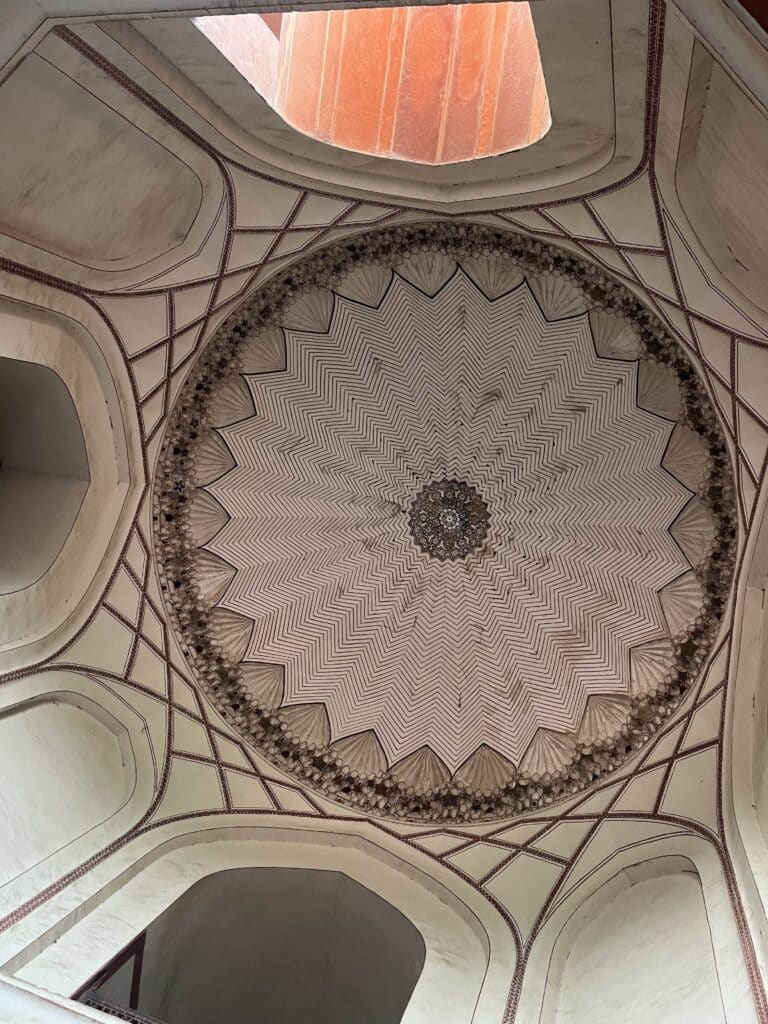
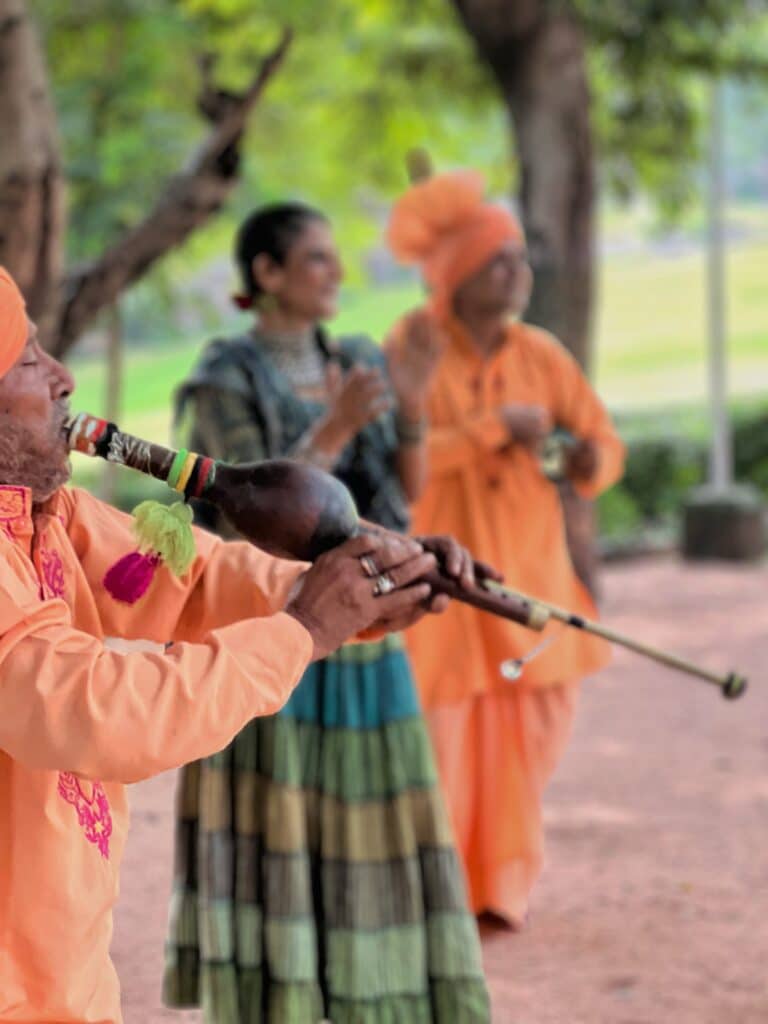
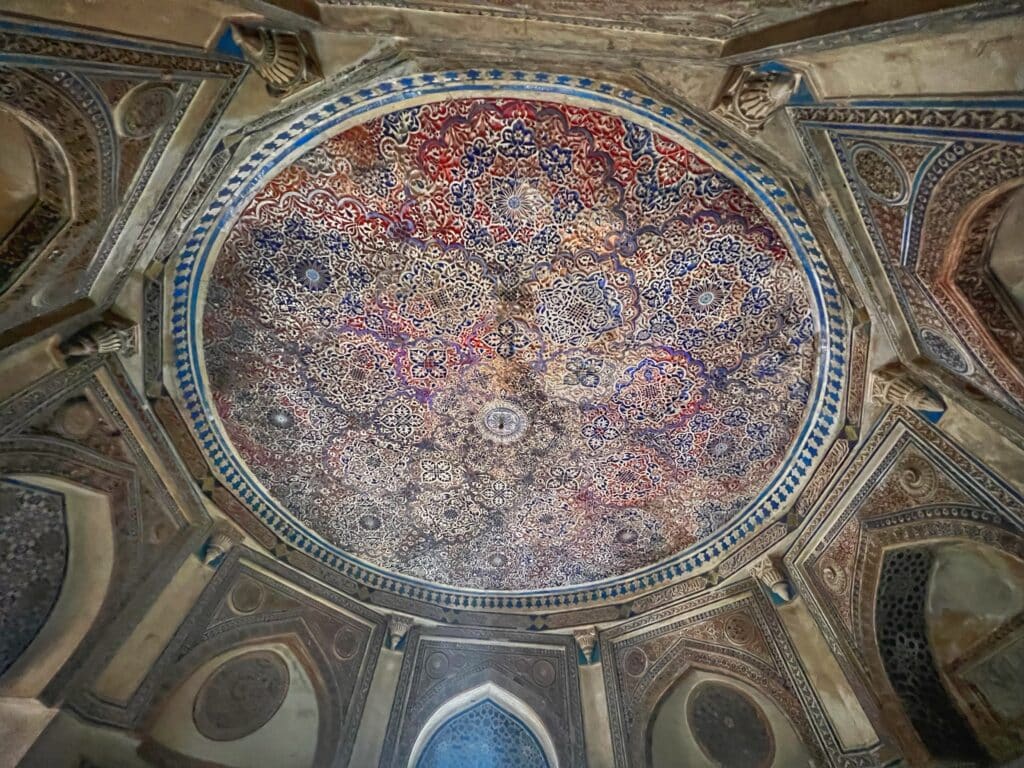
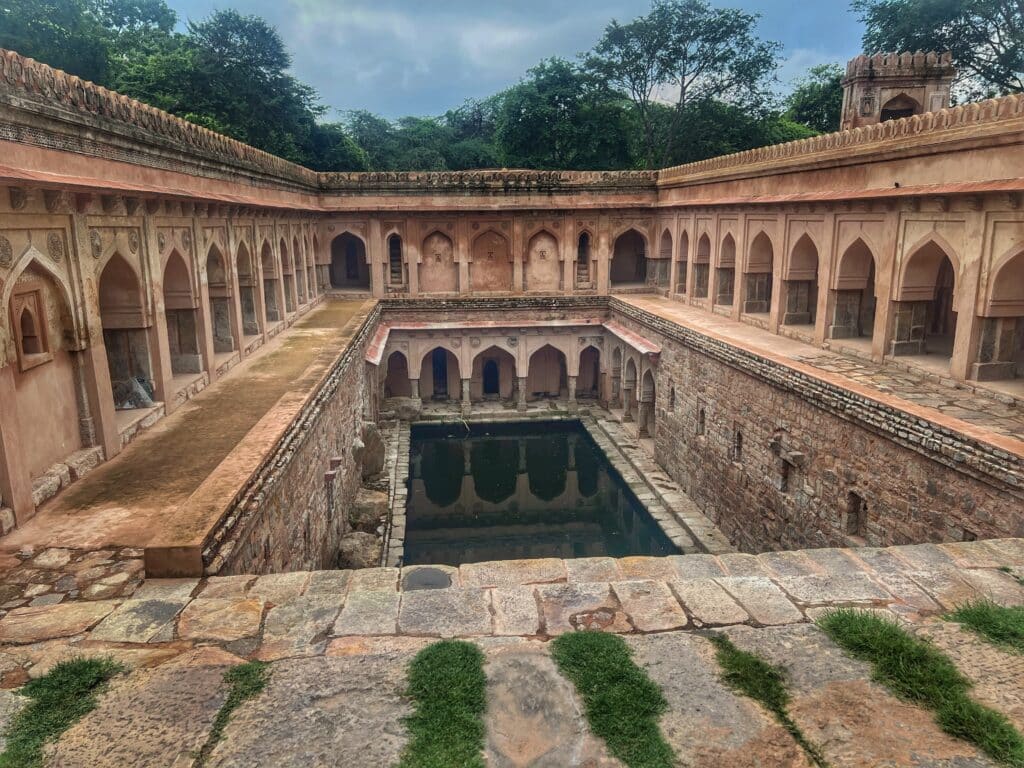
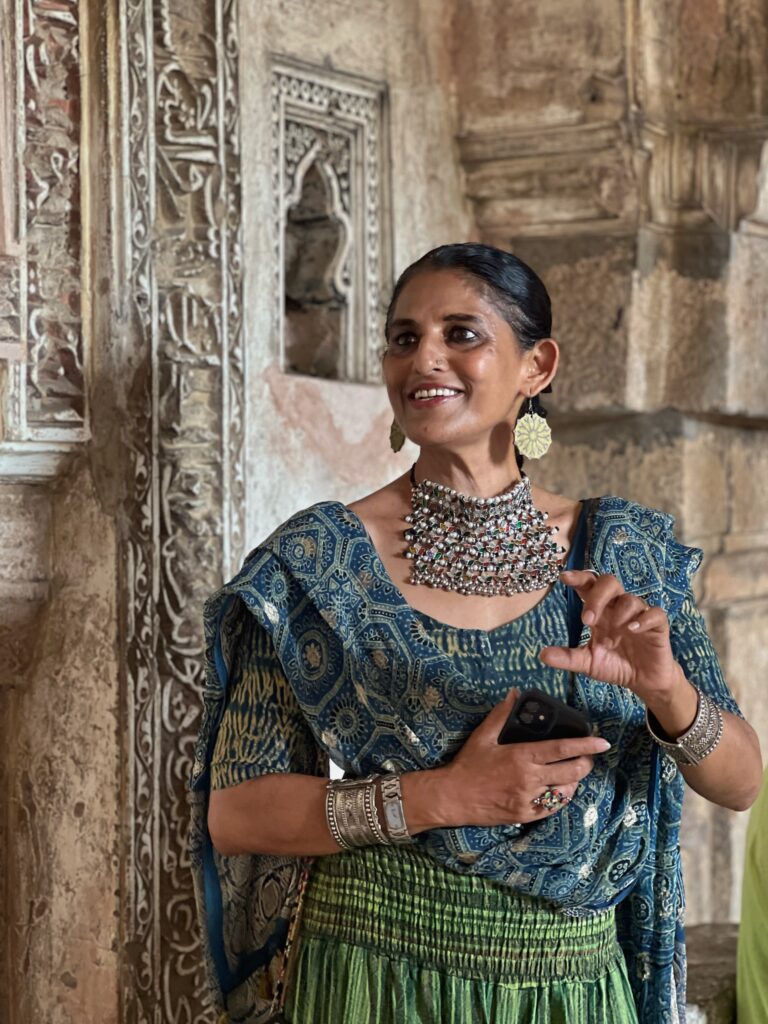
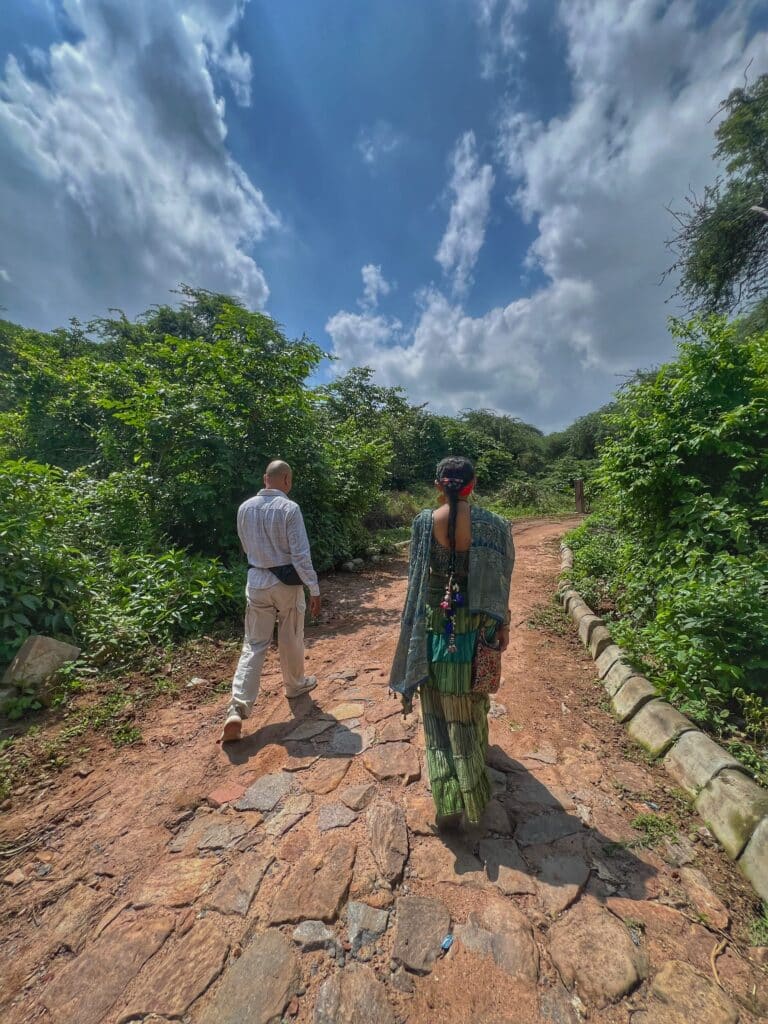
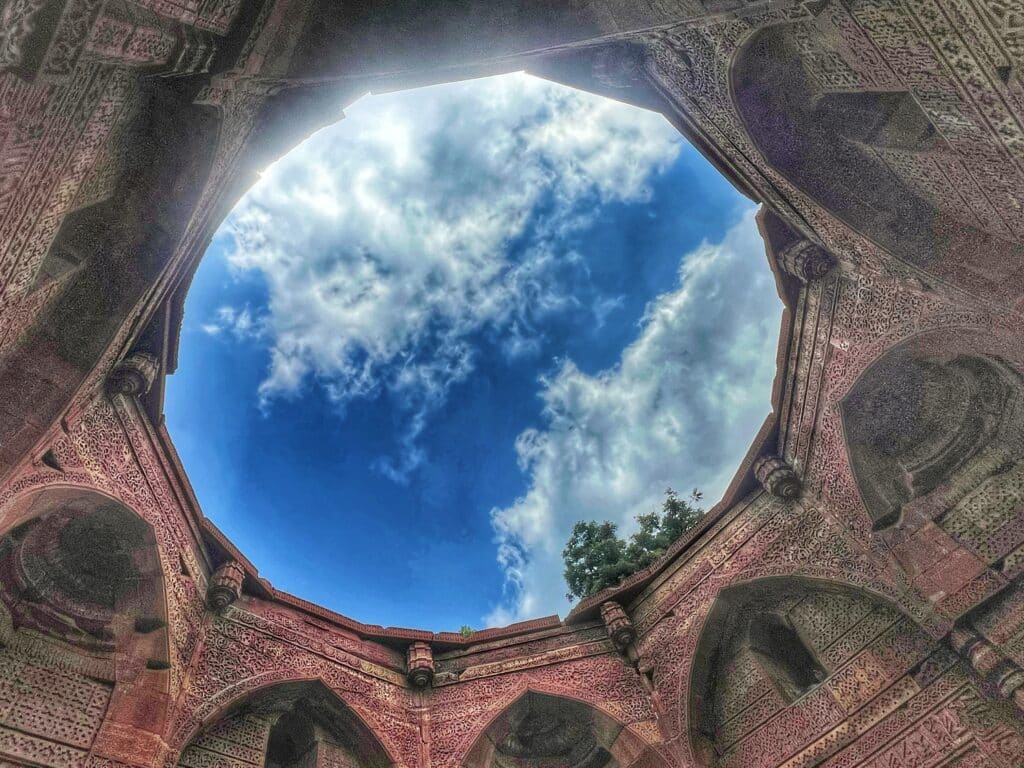
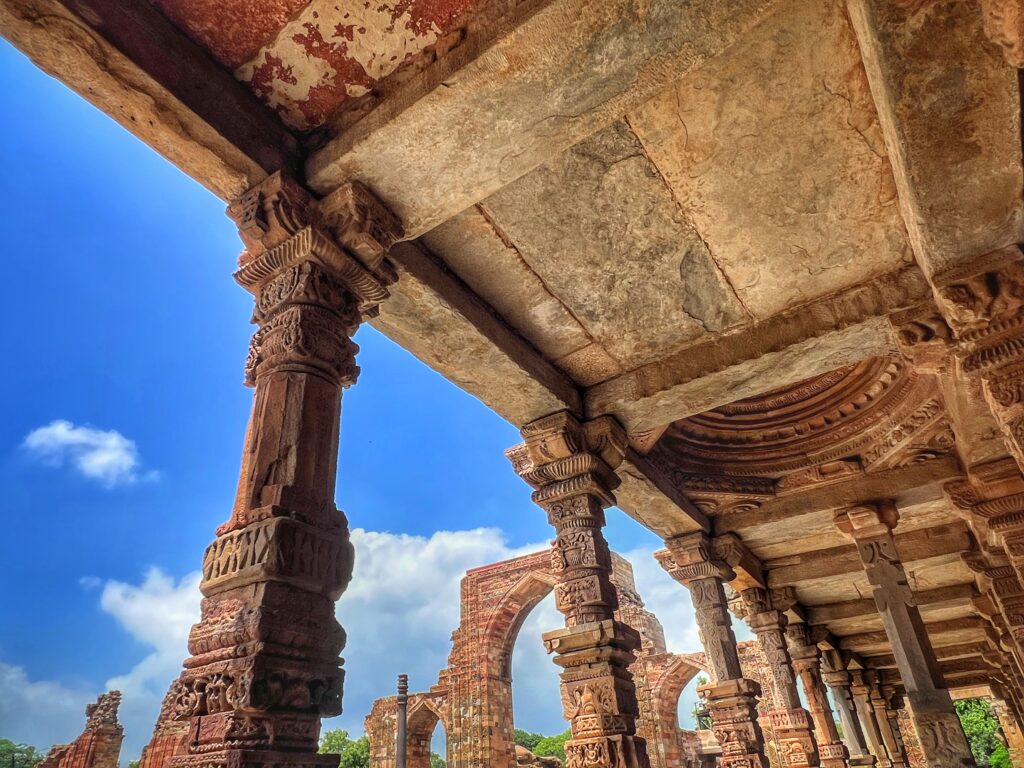
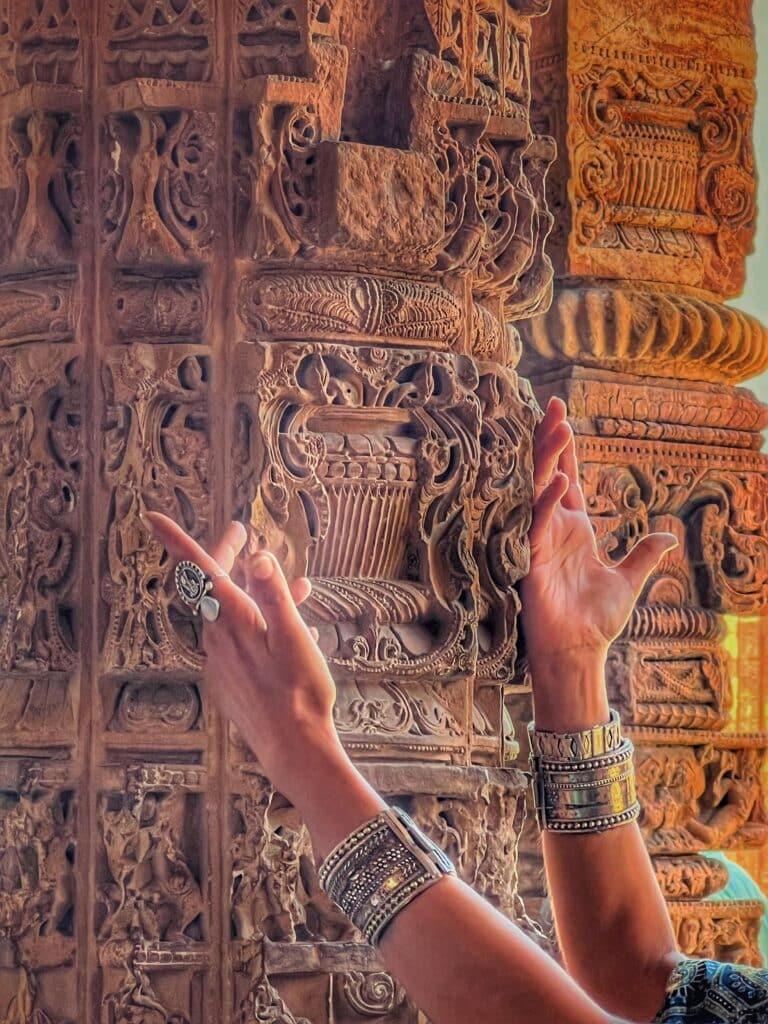
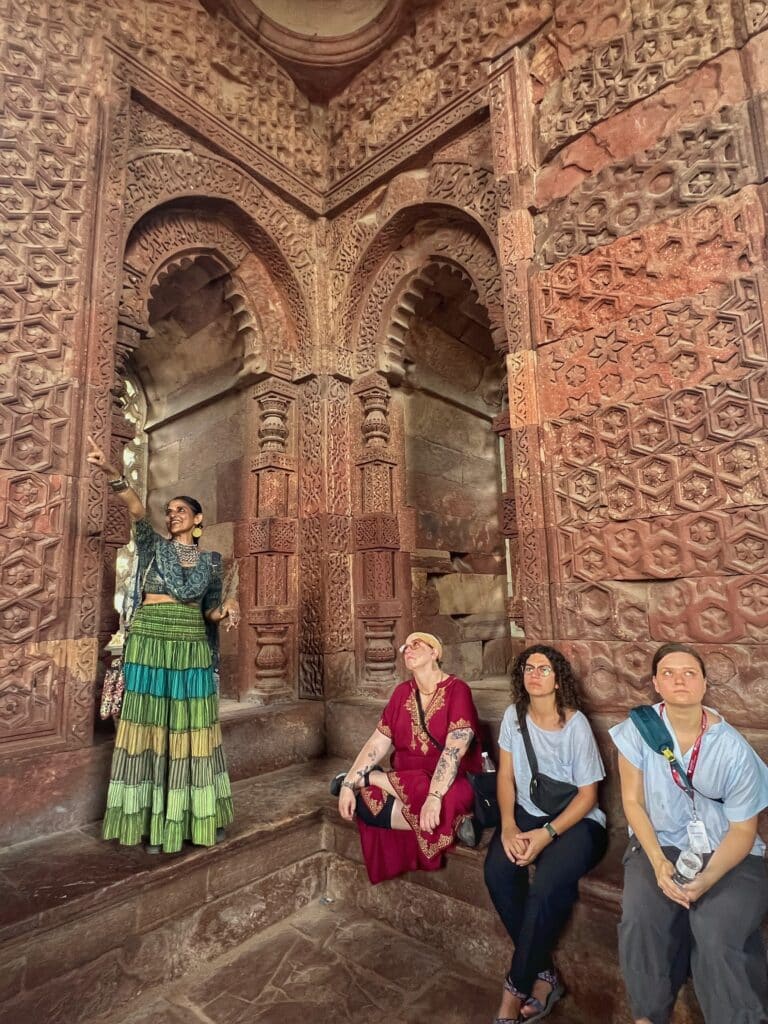
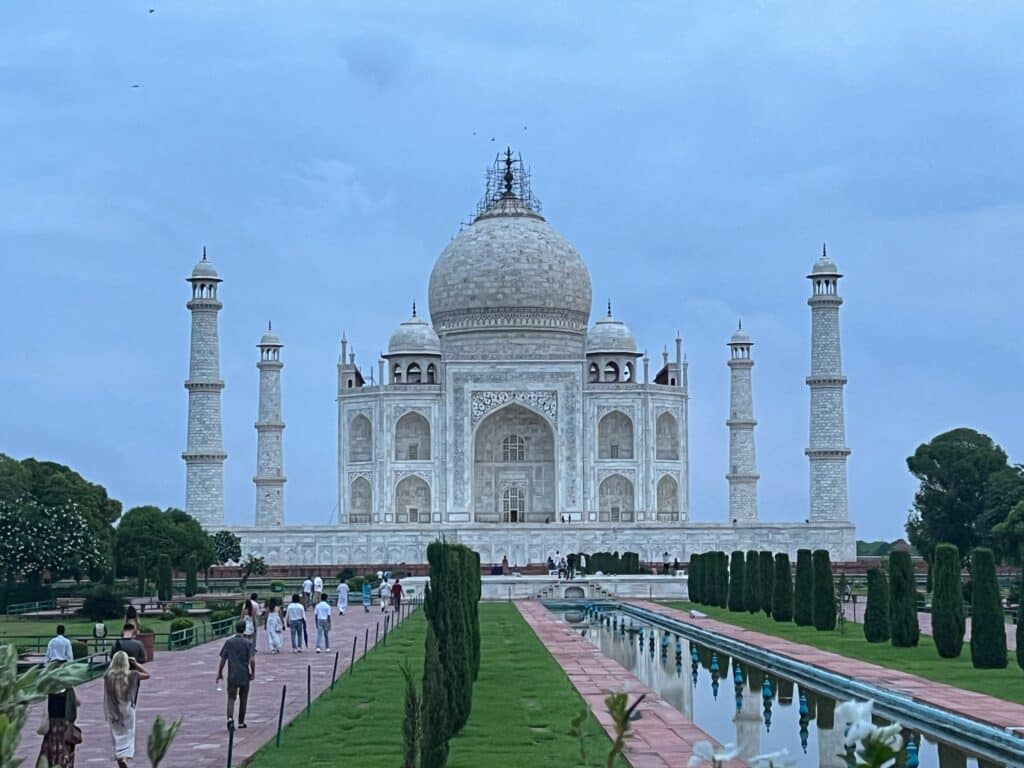
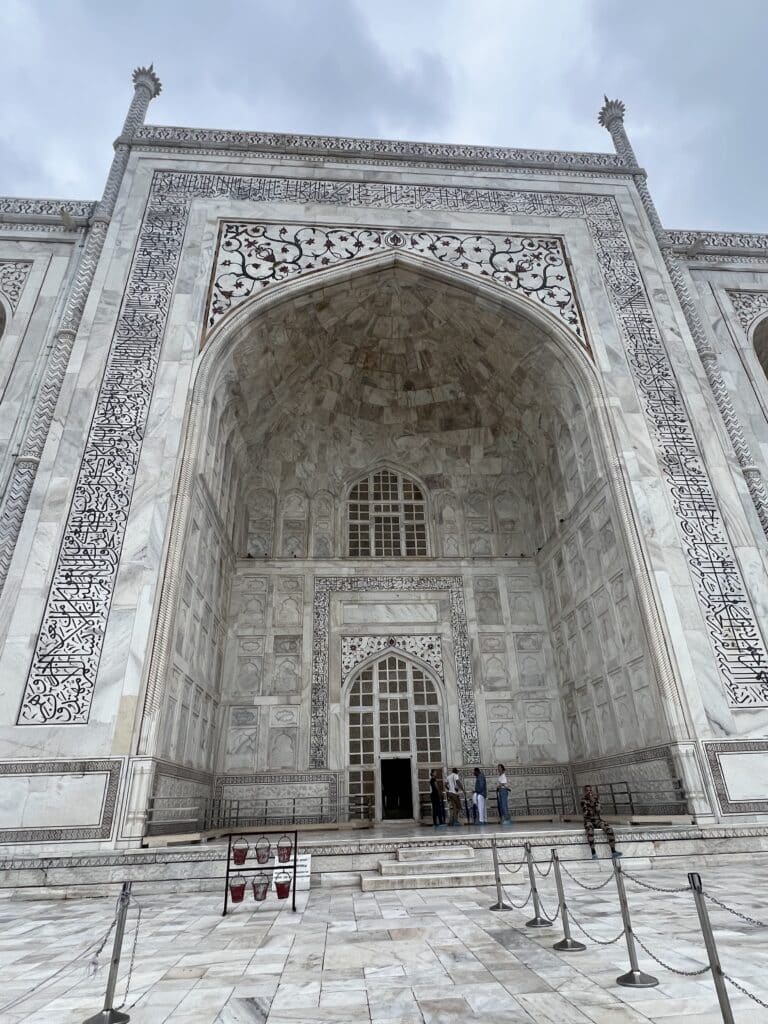
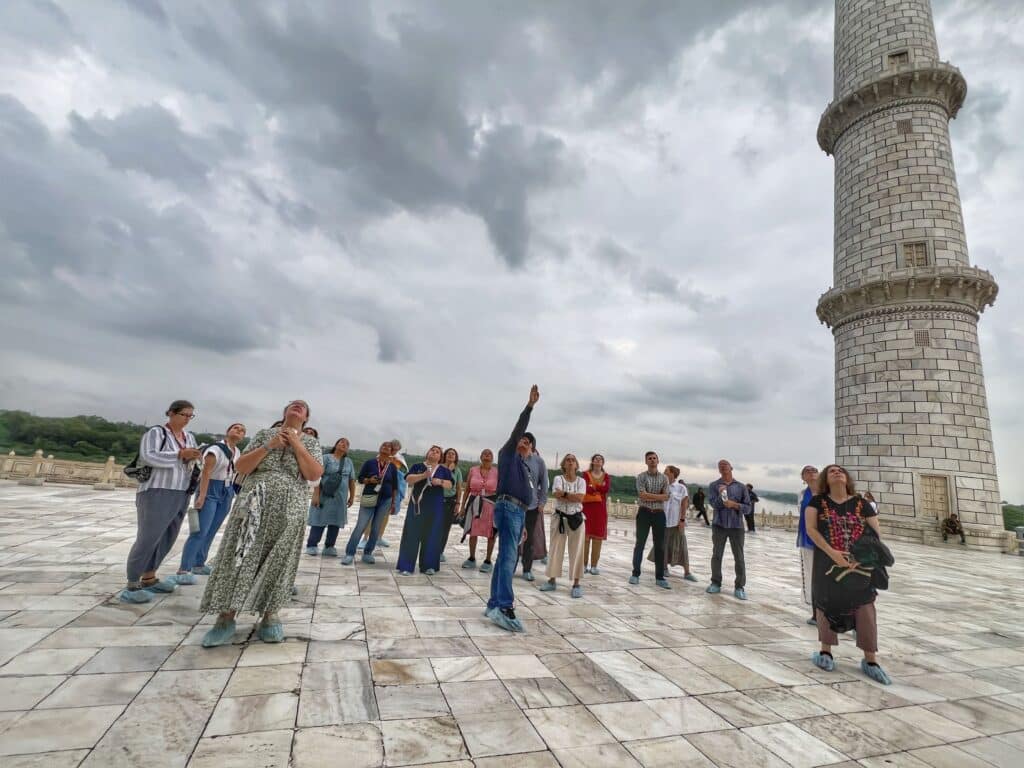
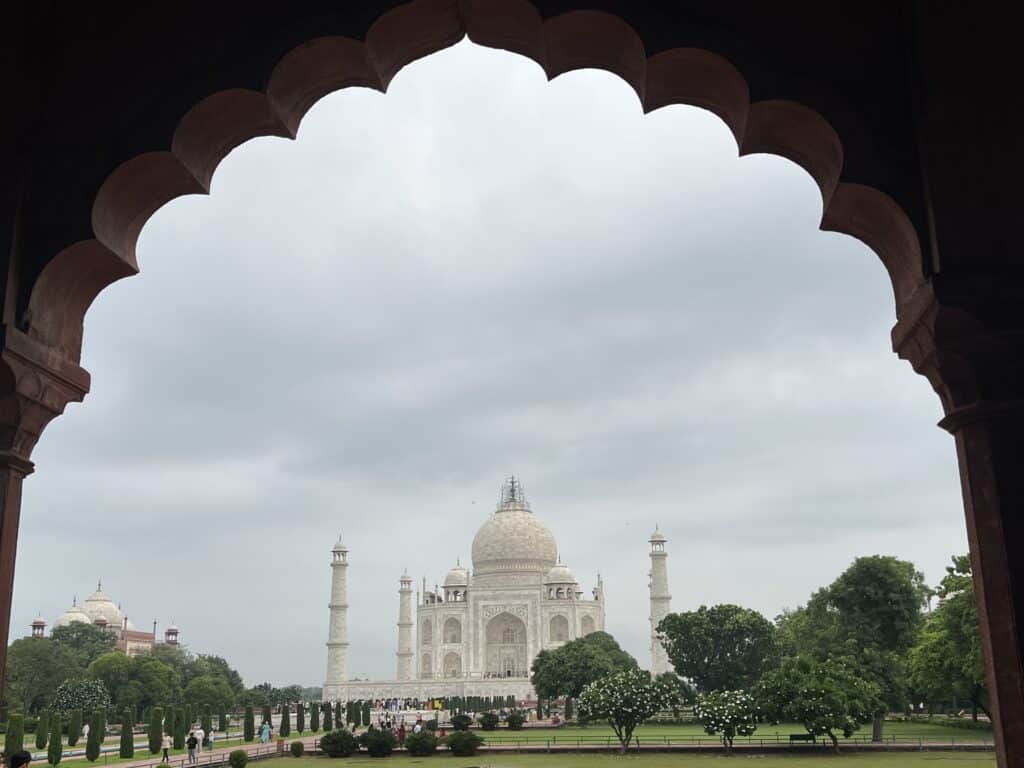
During our time in Delhi, we also made a very quick trip to Agra in order to tour the iconic Taj Mahal.

Entry #5
The Sights: Bangalore
The story map below — and linked here for better viewing — illustrates the many sights that Samantha, my partner teacher, and I were able to visit in Bangalore with the help of our host principal, Ms. Anupama Ramachandra, and the two headmistresses at our host school, Delhi Public Schools, Electronic City. It is said that hospitality is paramount in India and our short time in Bangalore was no exception. When we first arrived in Bangalore, I joked that there that we were selected to go there because we were already used to a lot of traffic. Nevertheless, the rumors about Bangalore definitely are true! Have a listen to the traffic at 10:30 pm one evening:
We so appreciated our hosts braving the traffic on the weekend and every day after school to help show us different parts of the city.
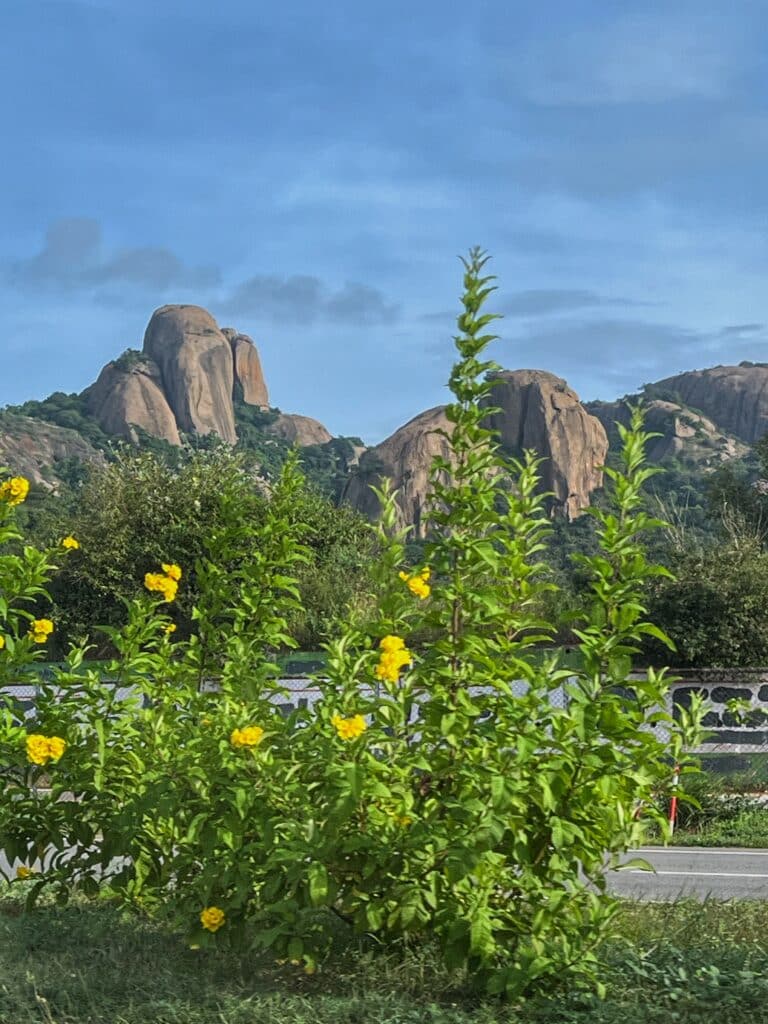
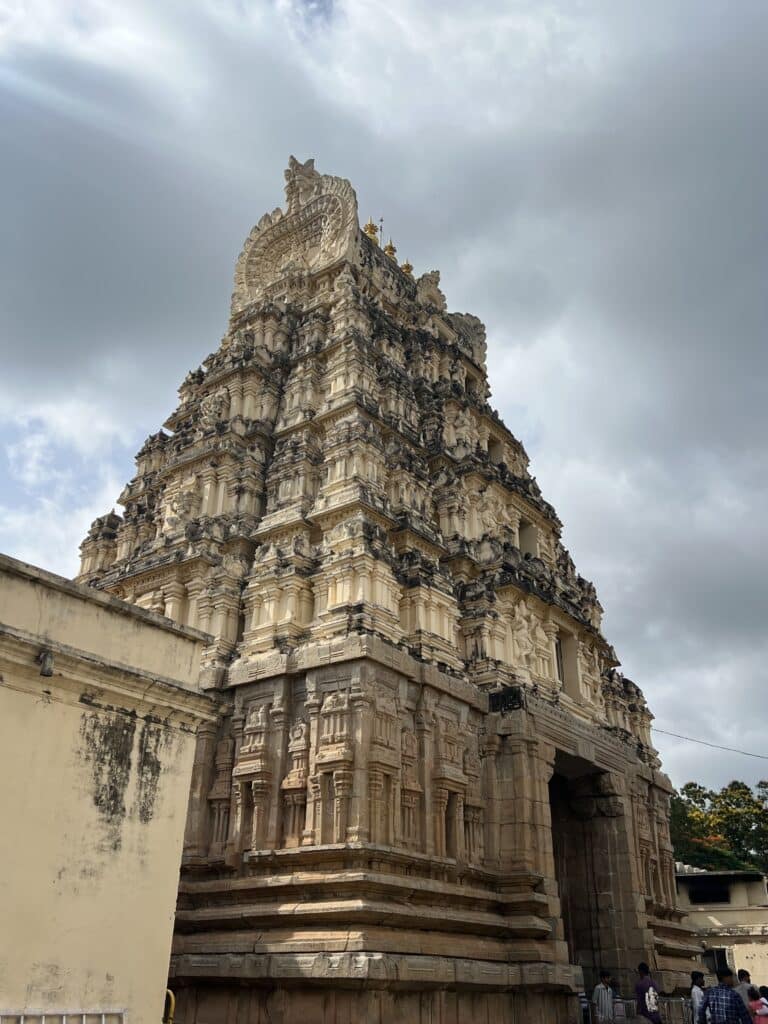
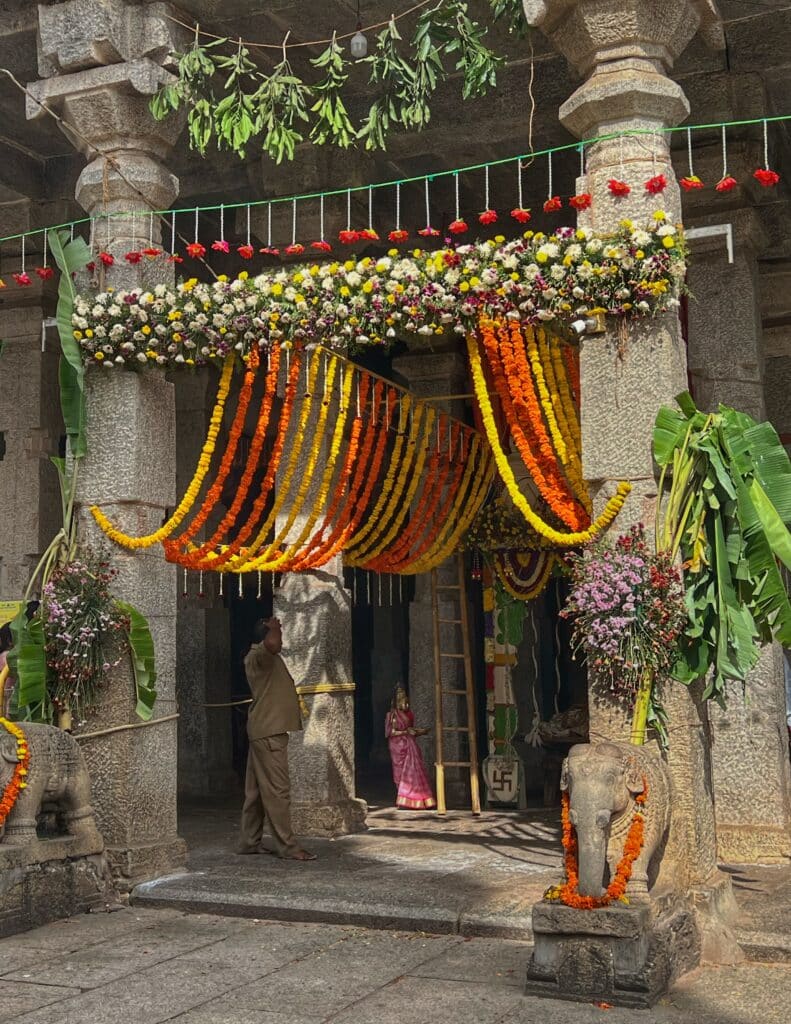
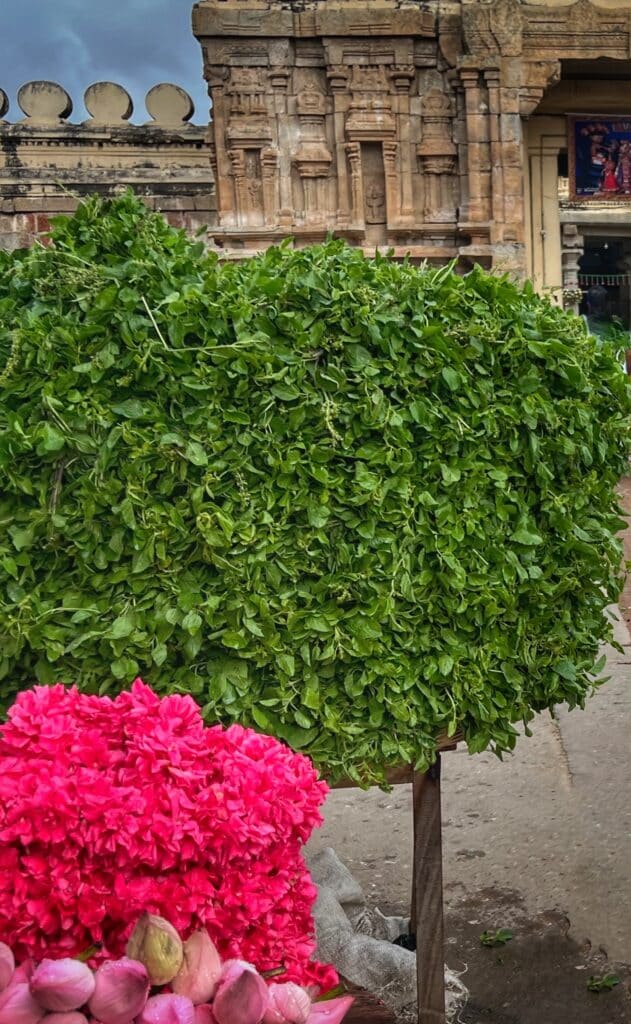
I appreciated visiting temples in Bangalore and also in Srirangapattana on the way to Mysore. Coming from the United States, it is always eye-opening to first, see older sites in general, and second, to see places that retain their significance over hundreds or a thousand years or more and remain a part of a community’s rootedness. I first had this experience many years ago, walking through a 14th-century arch on my way to class in Córdoba, Spain. In India, the feeling of history is older still and is even more imbued into daily life. This has me reflect on how we, too, honor our past in the United States, where lately there has been a call for more place-based education. Despite our country’s relatively young history, it is important that we too find ways to make students feel a sense of history and connection to where they are from — not only their cultural heritage, but also where they are growing up. This is a question I have been pondering for a few years now. When talking about historic sites in Chicago, for example, I have had students ask me why they are growing up so close to important sites such as the Pullman National Historical Park without knowing they existed. Similarly, in speaking with an indigenous artist, she told me how in her country, she felt that she was always learning about somewhere else, but never about where she was. As a world language teacher, it is imperative that I provide opportunities for my students to engage with cultures of the countries where Spanish is spoken; at the same time, it is important for me to acknowledge the communities that exist right here at home, also. In India, too, there appears to be a push to for cultural knowledge to become a part of the curriculum; the current National Education Policy outlines the incorporation of Indian Knowledge Systems and culture into the classroom. More on that later.
The Sights: Msyore
On a Sunday, our host principal took us to Mysore, or Mysuru, her hometown. Along the way, we first made a stop in Srirangapattana to learn about Tipu Sultan, an 18th-century ruler of Mysore, and to visit the Sri Ranganathaswarmy Temple. The temple dates back to the 9th and 10th centuries and is a part of the Pancharanga Kshetram, five important pilgrimage sites devoted to Ranganatha, a manifestation of Lord Vishnu.
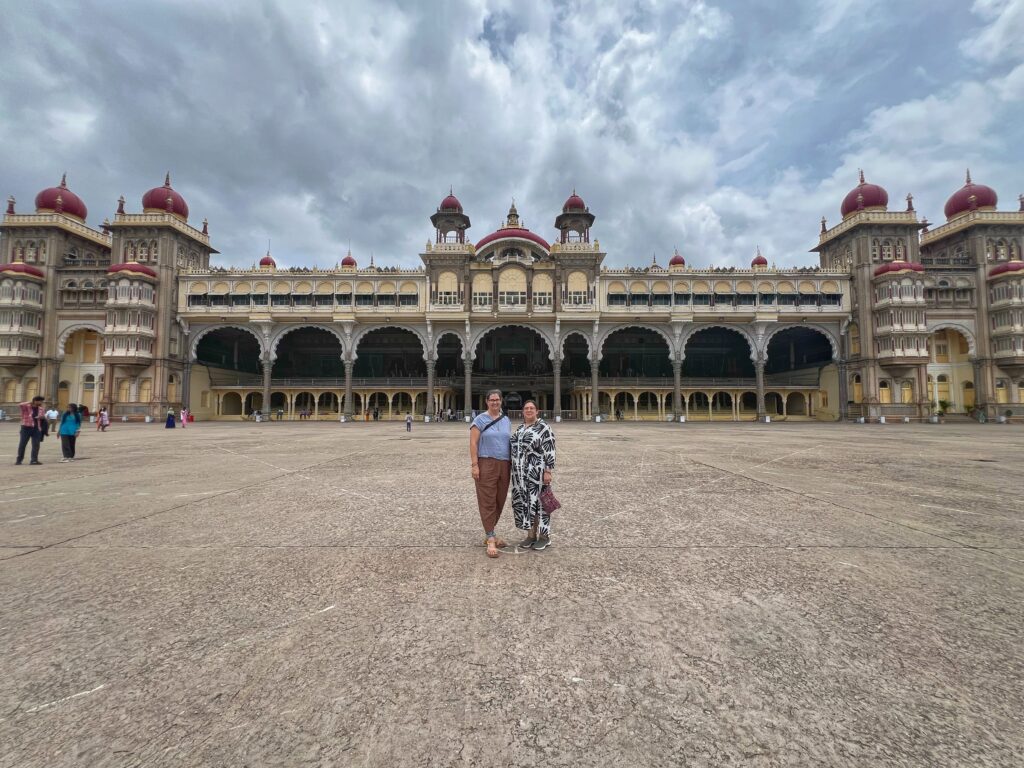
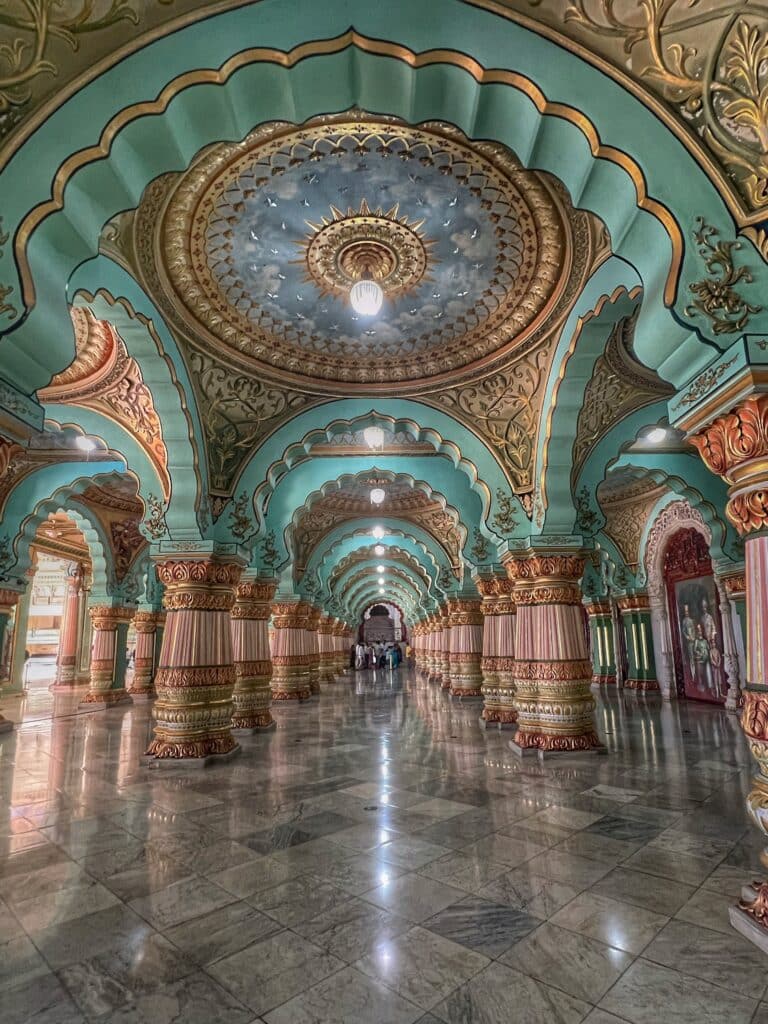
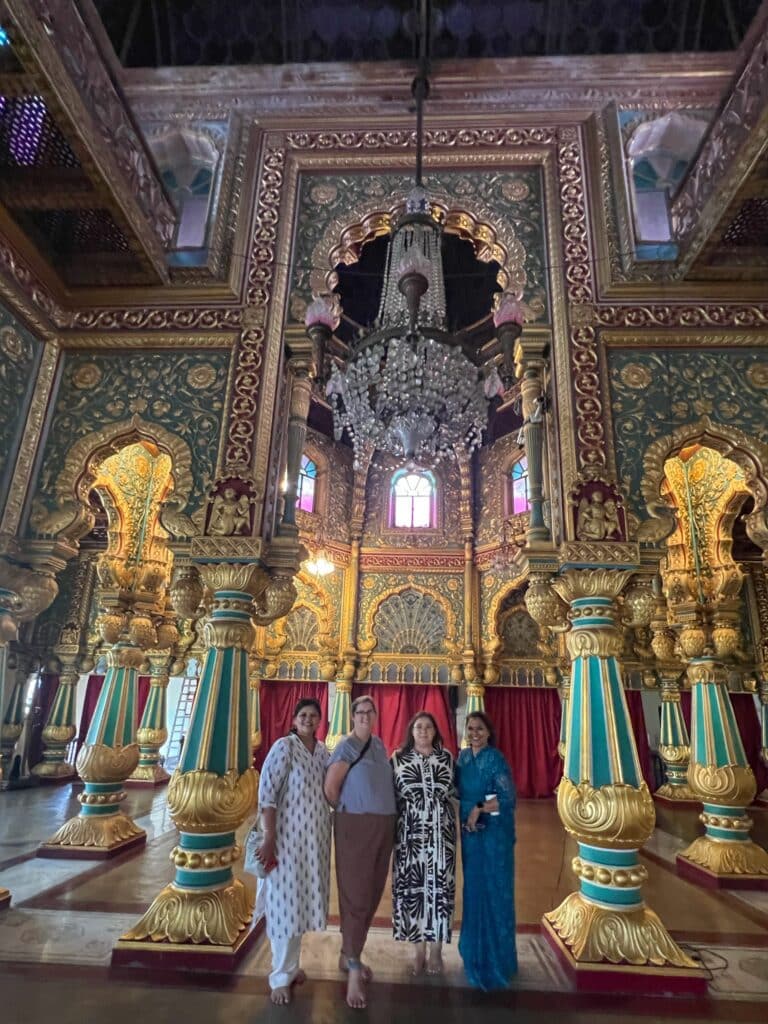
The Mysore Palace was originally constructed in the 14th century, but the current one was built between 1897 and 1912 after a fire consumed much of the Old Palace. The palace is still used today by the Wadiyar royal family, who served as the maharajas and maharanis of the Kingdom of Mysore from the 1300s until 1950.
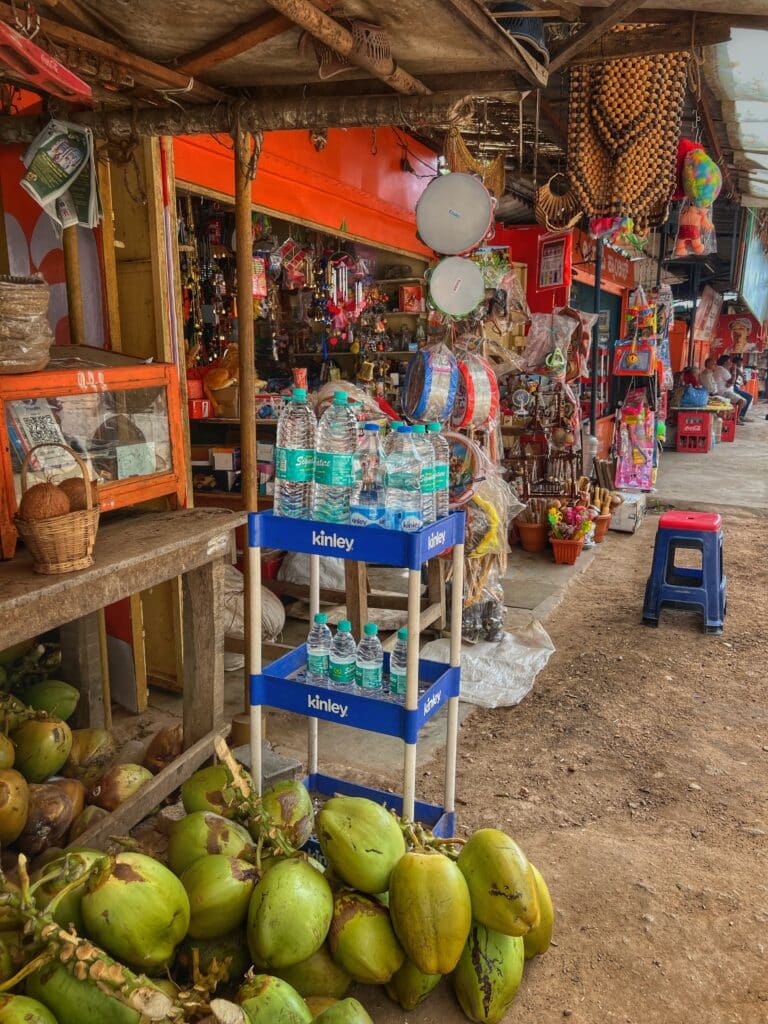
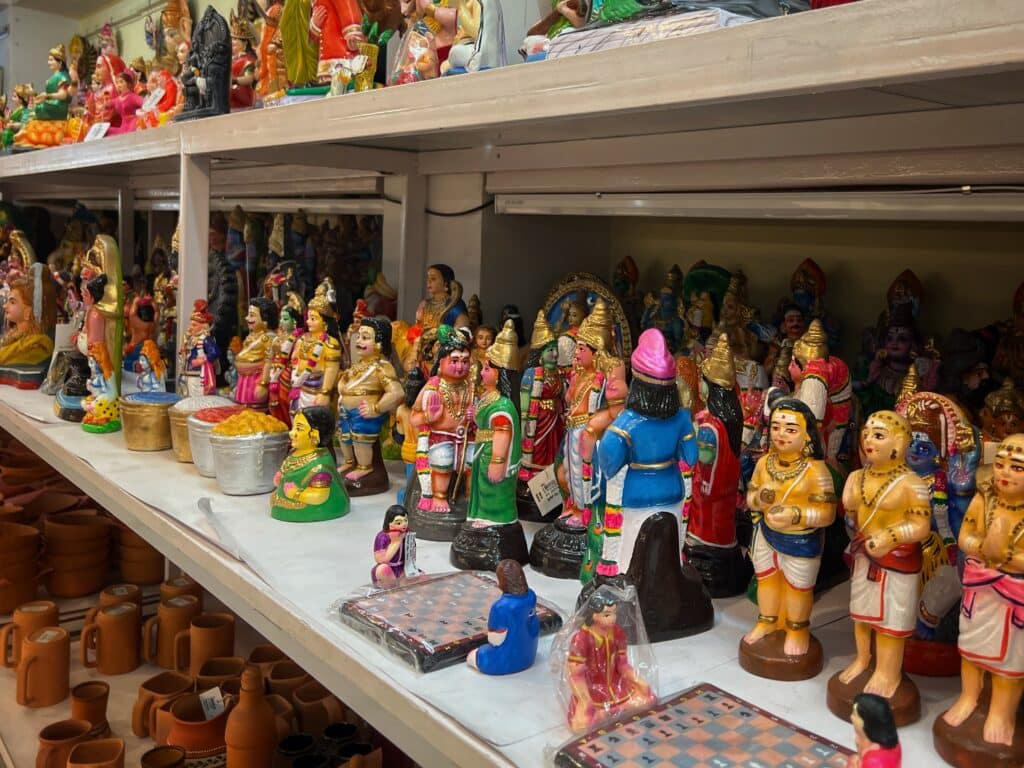
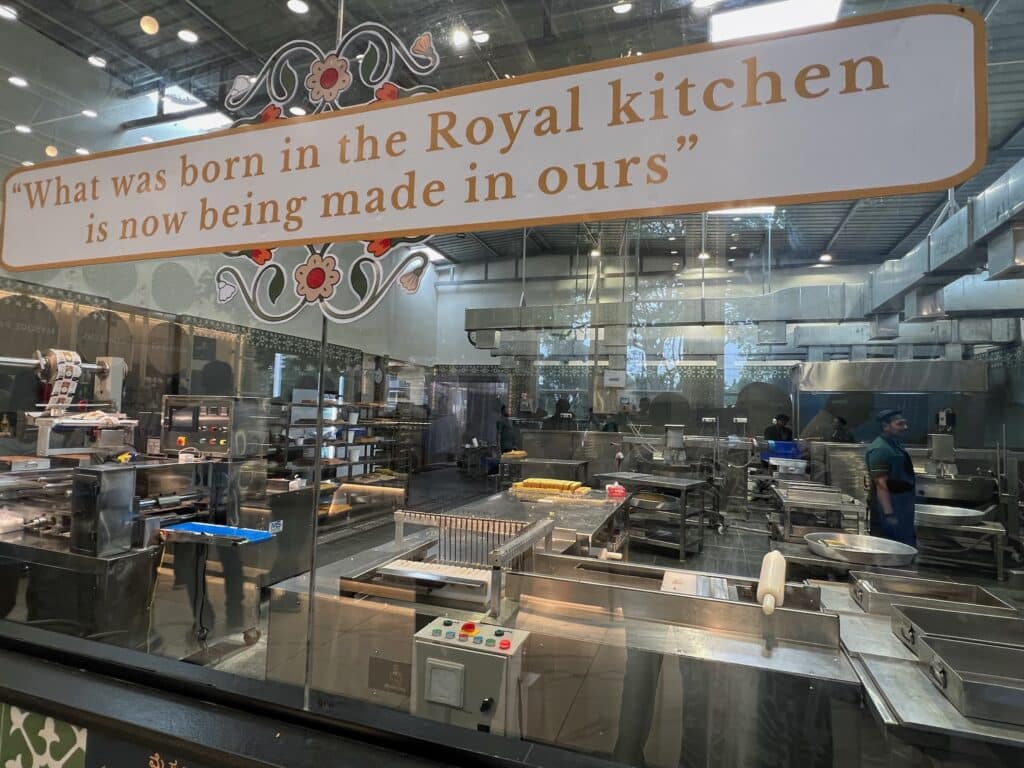
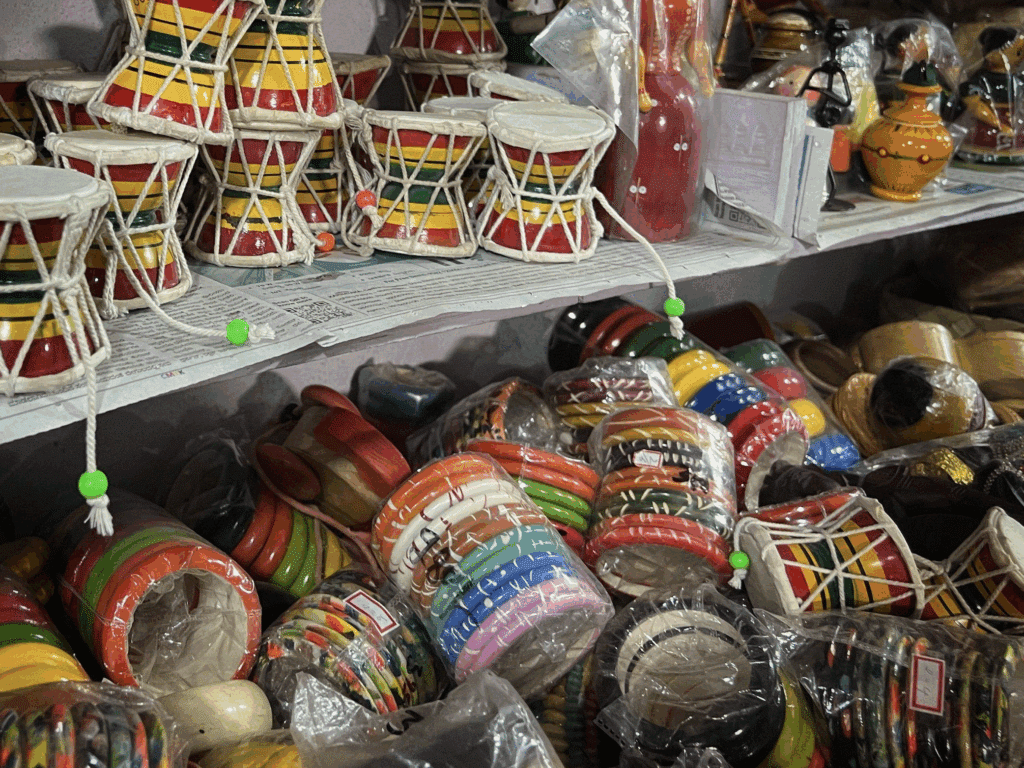
While in Mysore, we also had lunch and visited Ramsons Bombe Mane, a store that makes traditional dolls, including ones for Dasara, the state festival of Karnataka that takes place in Mysore during Ashvina, which typically falls in September and October. We also sampled many flavors of Mysore pak, the typical sweet of the city made from gram flour, ghee and sugar, and, on the way back to Bangalore, stopped at Channapatna, a town known for its wooden toys.
Entry #6
Food!
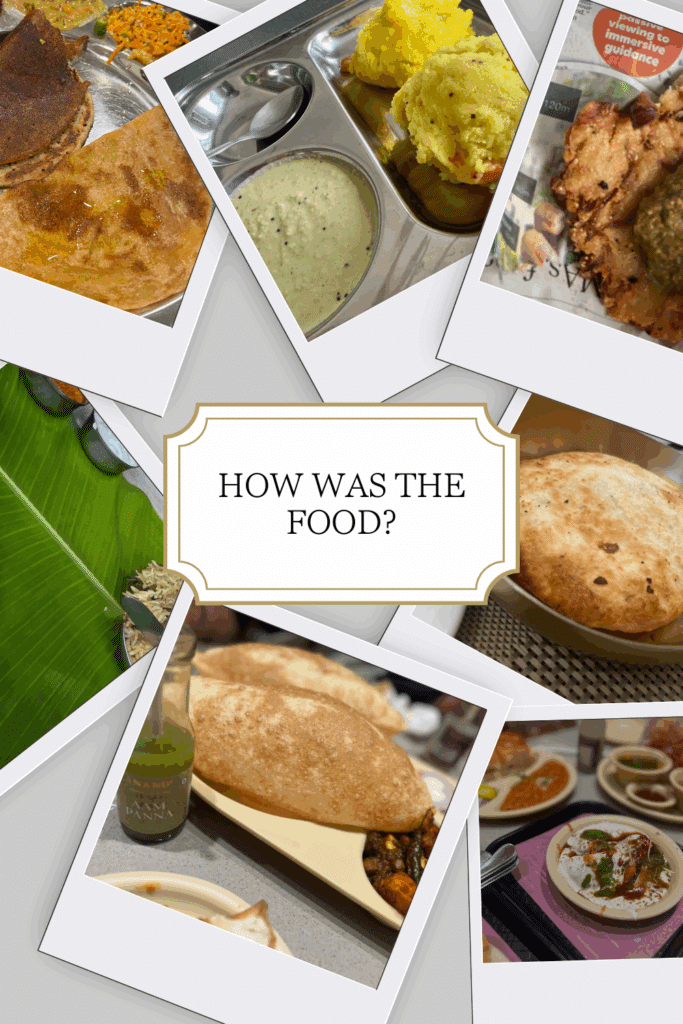
Some of the most common questions received about the field experience have been food related: How was the food? Did you like the food? What was your favorite food? To these I say, it was great! Yes, I enjoyed it very much! And I cannot choose.
During our time as a large group, we ate a lot at the hotel, which offered innumerable choices for every meal. We also explored restaurants close to the hotel during our free evenings, such as Punjab Grill, where I had really wonderful tandoori broccoli and kulcha, and the Embassy Restaurant, which has personal connections to my principal here in the United States. In Bangalore and Mysore, we also tried a number of foods from all over, including vada, idli and different types of dosa of course, but also chole bhature, chaat such as pani puri, and lamb biryani, served for me on the south’s traditional banana leaf.
We also ate very well several times at the school canteen in Bangalore — I especially liked the sweet upma pictured in the top center photo. School breakfasts and lunches in other countries always makes me stop and reflect on how the US does not seem to prioritize eating unprocessed foods, beginning in our own cafeterias. We owe it to our children and students to continue to push for more whole foods and freshly cooked meals in our schools.
Drinks included masala chai and lassi (of course), but also lime sodas, aam panna and my favorite, warm badam milk, so much better than the chilled, canned badam millk I had tried previously in the US.
Sweets! Mysore pak probably is a favorite, followed by jalebi, but also tasted were gulab jamun, milk peda, barfi, and so many others.
After-meal mukhwas, fennel seed and paan ➡
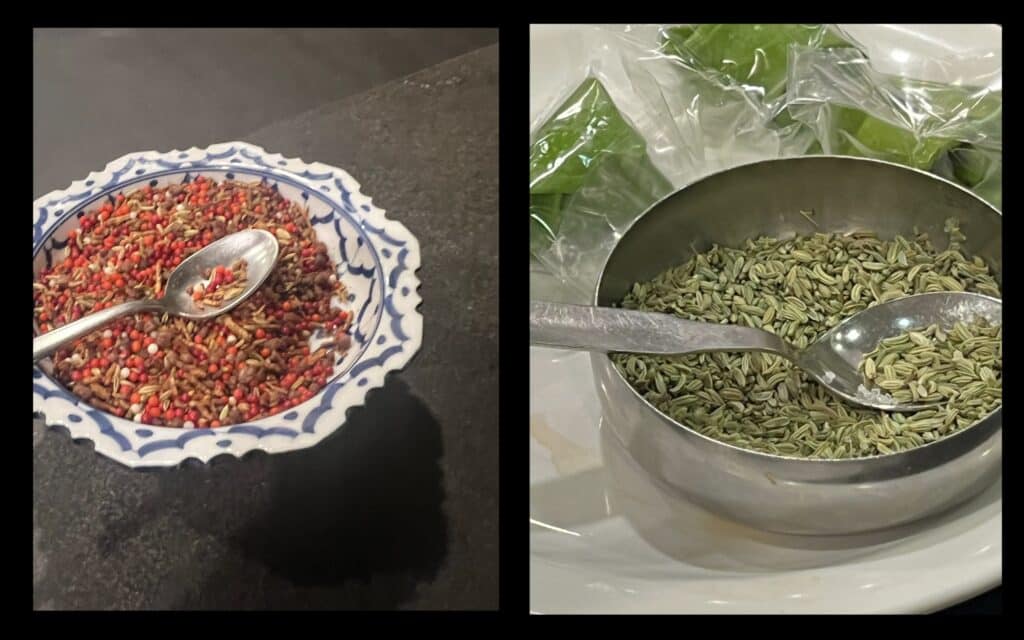
As with so many things in India, the variety and complexity of the food is staggering and reflects the country’s diverse history, geography and cultures.
Entry #7
School Life
During our time in Delhi, we visited the three primary types of Indian schools: government-sponsored, government (public) and public (private).
SS Khalsa Senior Secondary School
Sarvodaya Vidyalaya Co-Ed
Sanskriti School
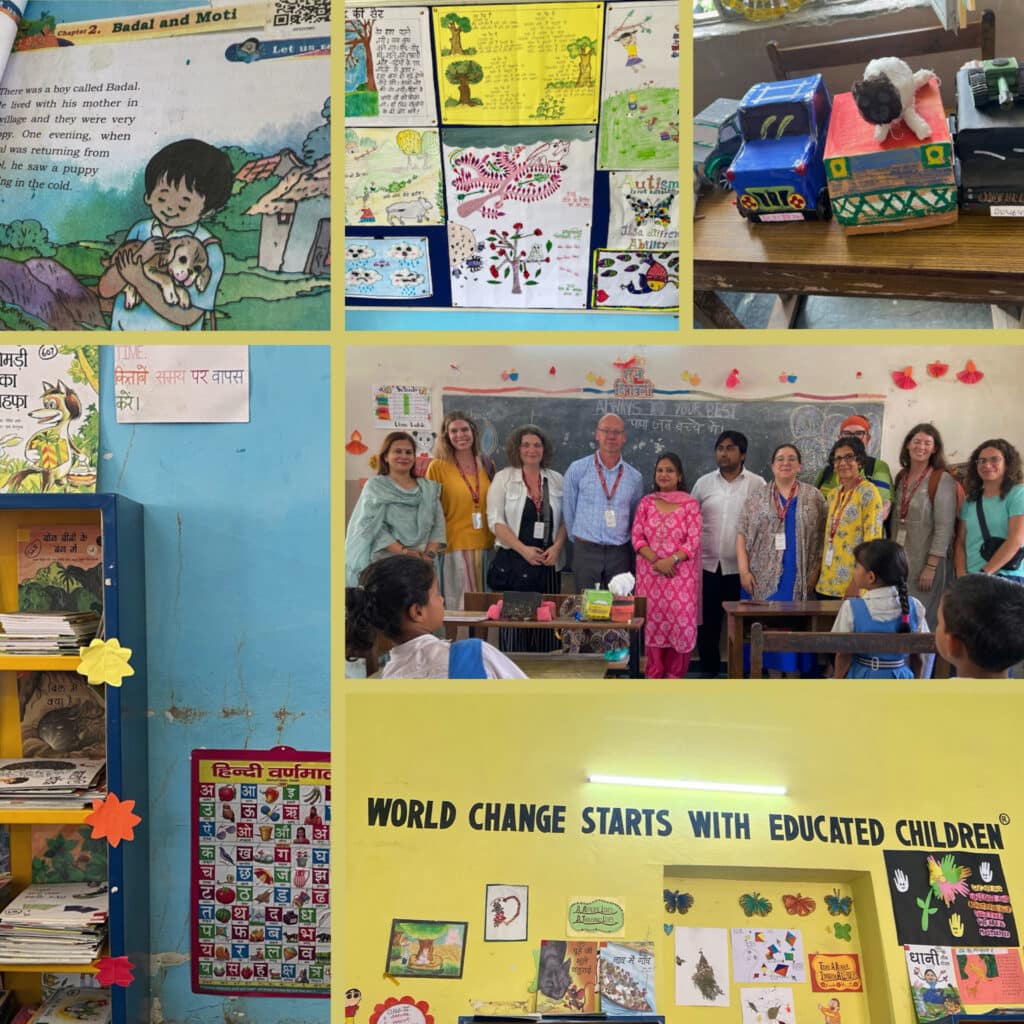
SS Khalsa Senior Secondary School is a government-sponsored school. Founded originally in 1908 in what is now Pakistan, the school began operating at its current location in 1954. As a government-sponsored school, it receives money from the government with support from a community organization. The school was founded by the Sikh community but is secular. During our brief time here, I sat in on an English lesson, where students read a short story from the text with their teacher.
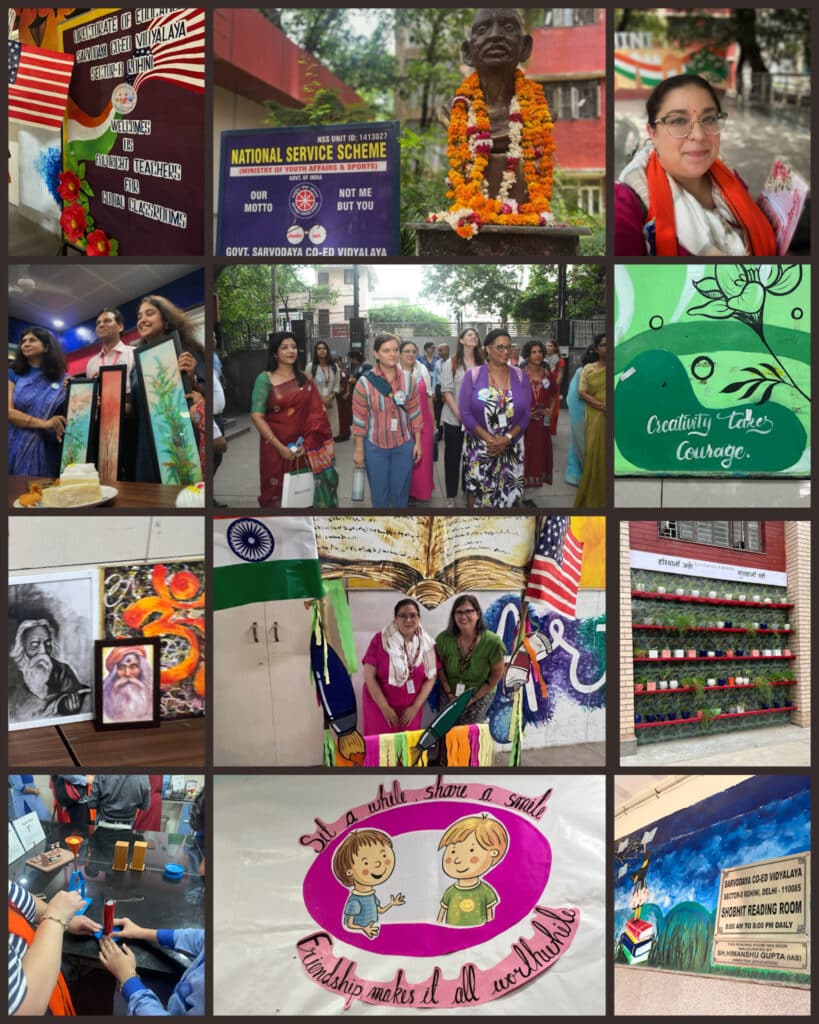
Sarvodaya Vidyalaya is a government school, which is what we would consider a public school in the United States. We received such a warm welcome here, with a literal red carpet entrance before watching and participating in a grand morning assembly. We then toured the school, first participating in a guided meditation with students run by Heartfulness before visiting classes, the reading room, labs, the art room, and the Stressbusters space.
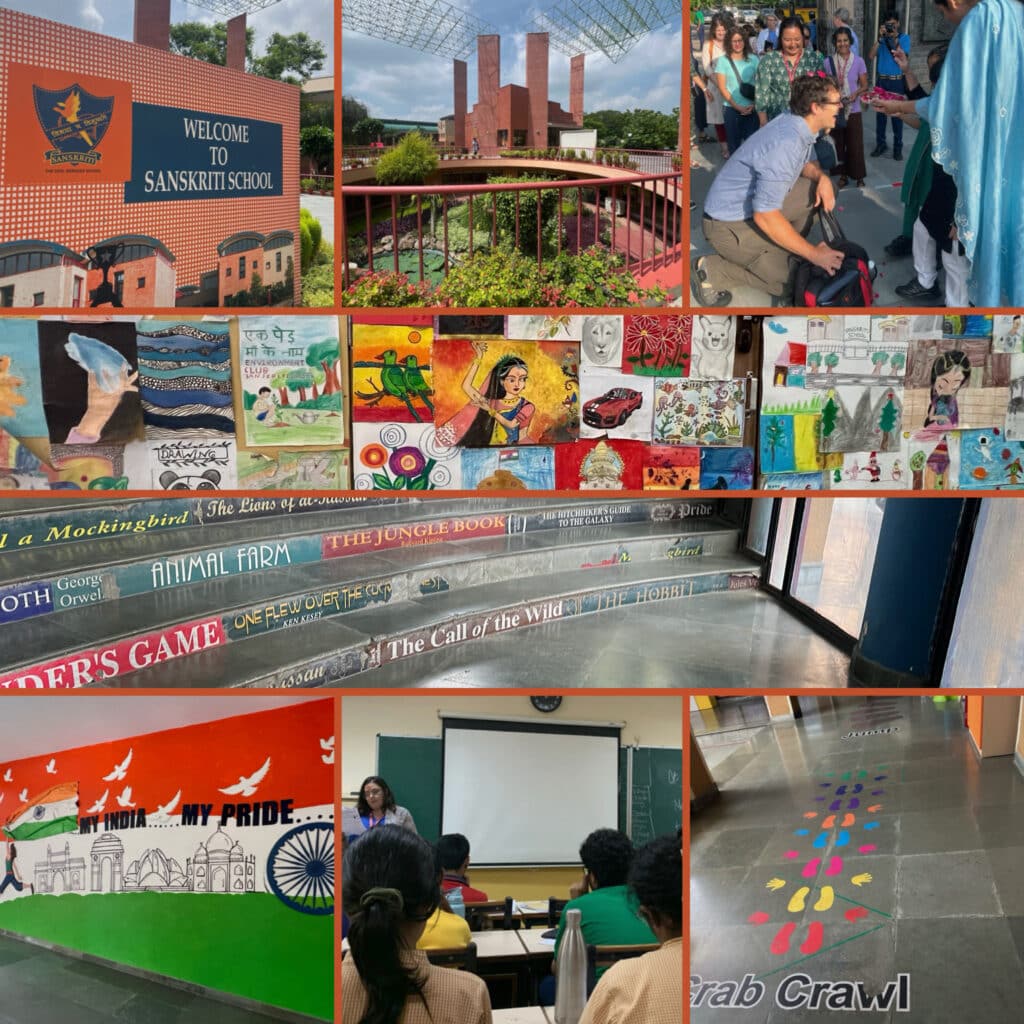
Sanskriti School is a well-known private school in Delhi. At Sanskriti, we first watched a morning assembly by fifth-grade students about climate change before touring the facilities and engaging with students in sample lessons. I was able to teach a Spanish lesson to an upper grades class. Some of the students were very eager to practice and their proficiency was quite good. Afterward, several students presented to us about different initiatives of the school, emphasizing that many programs have opportunities for student voice and/or are student-led.
Delhi Public Schools, Electronic City
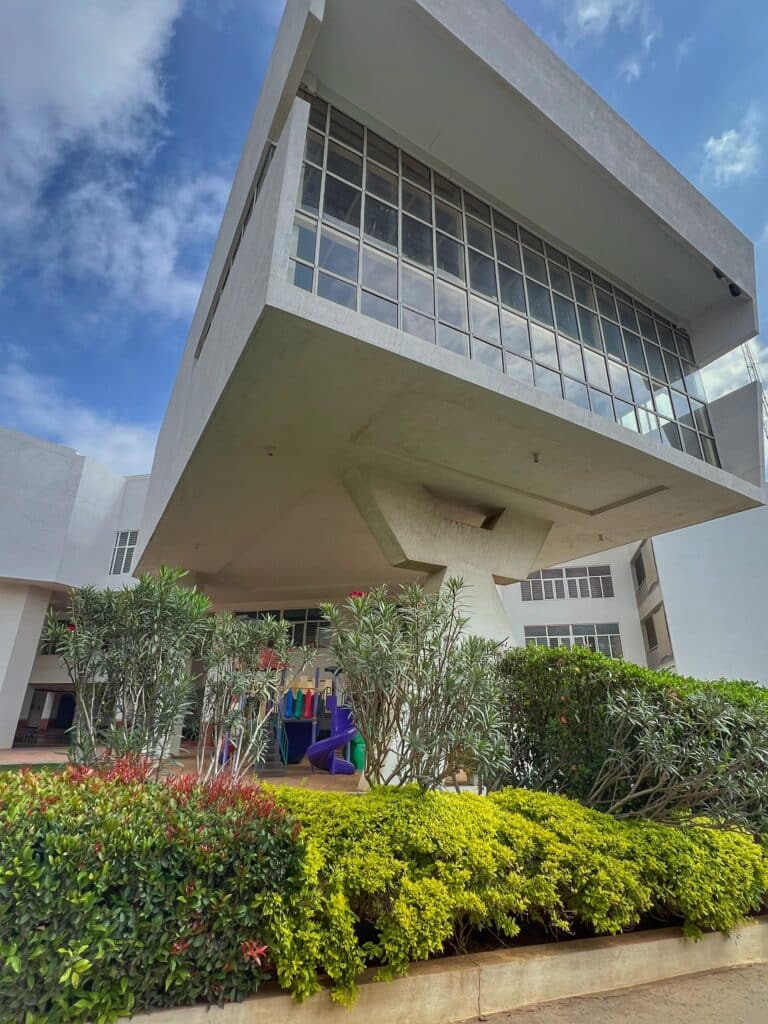
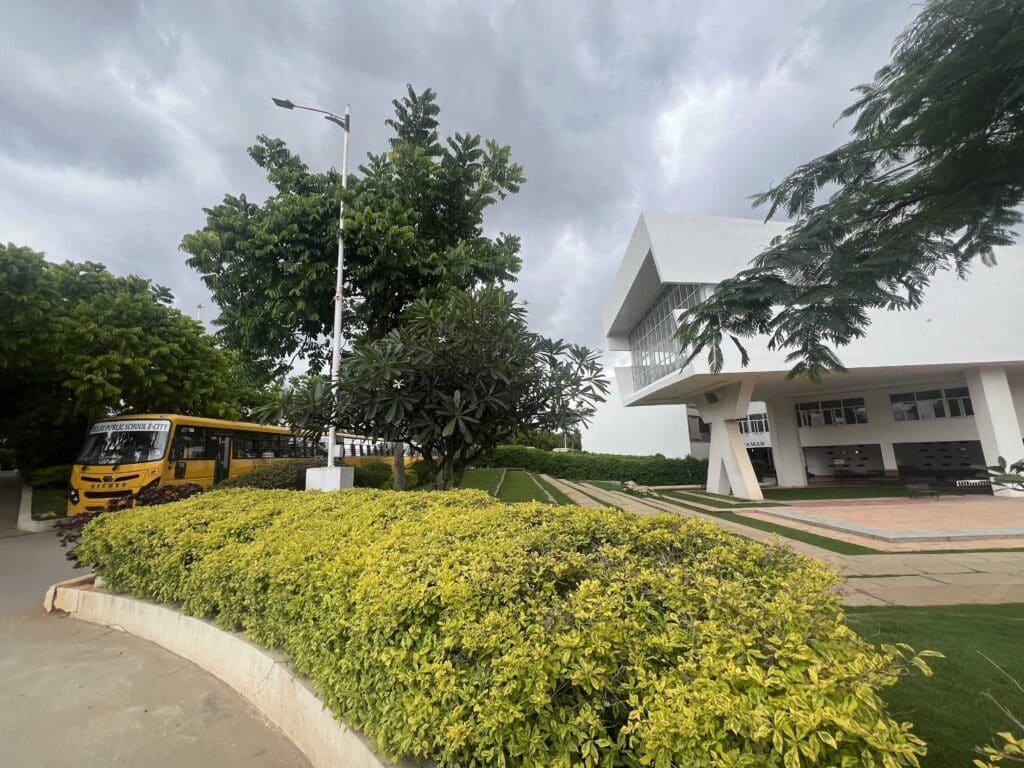
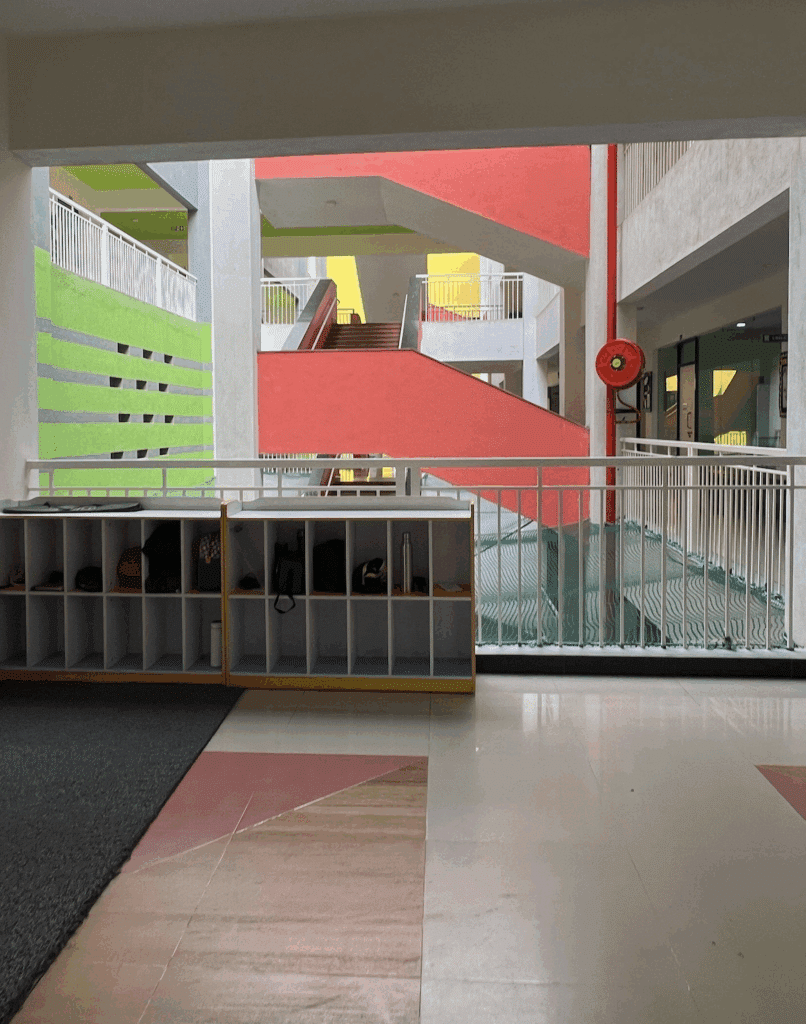
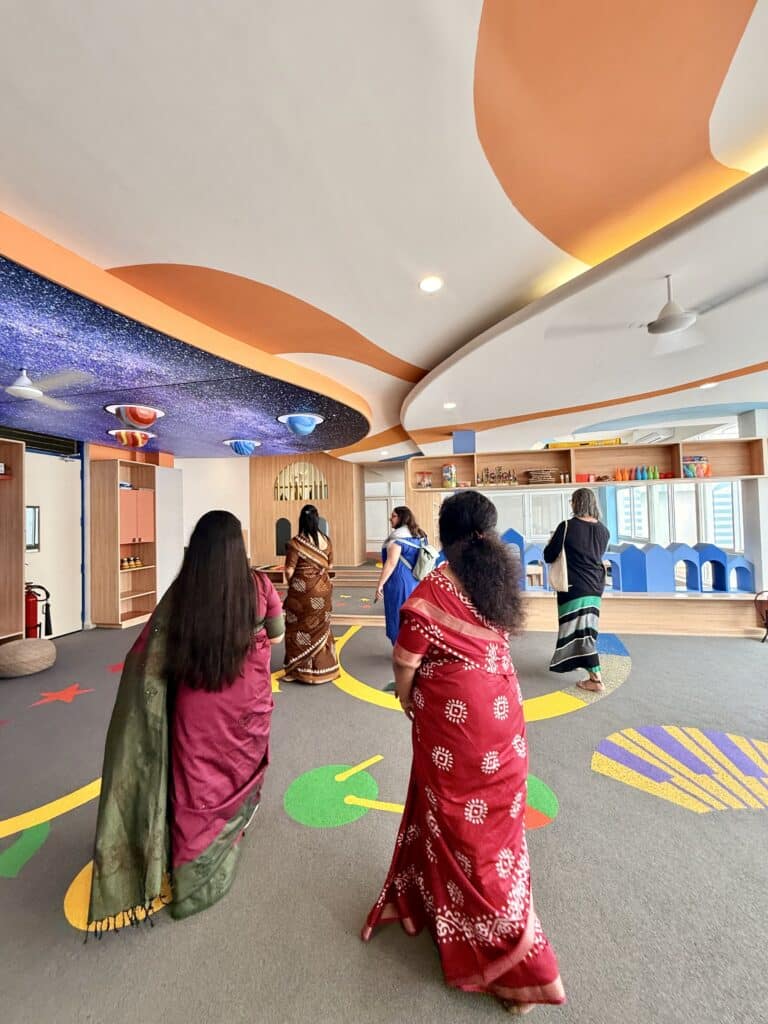
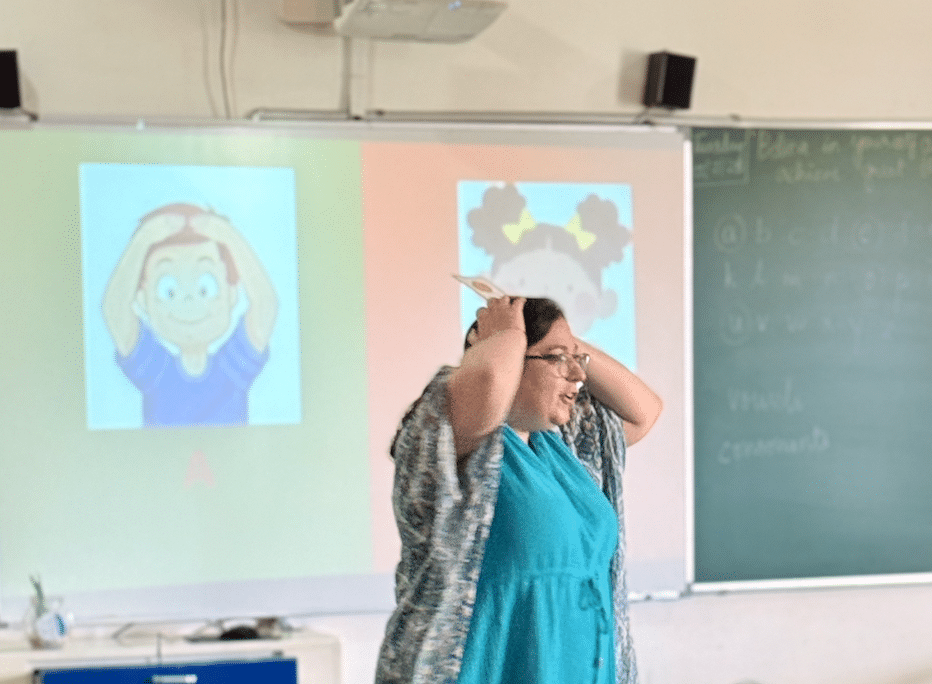
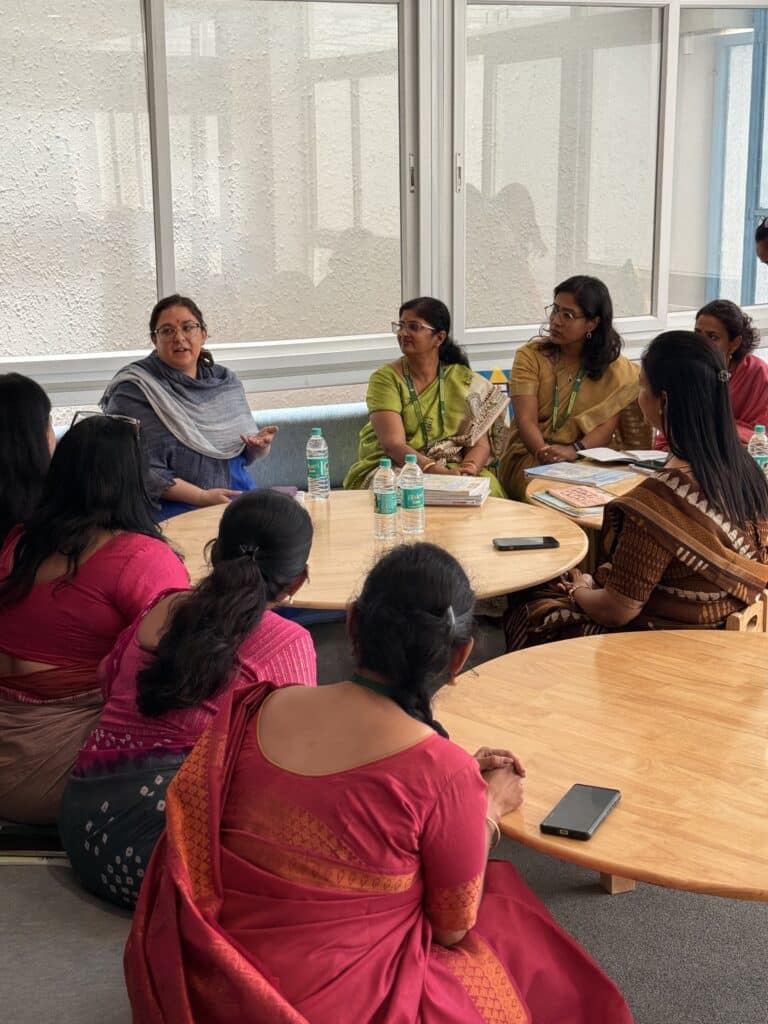
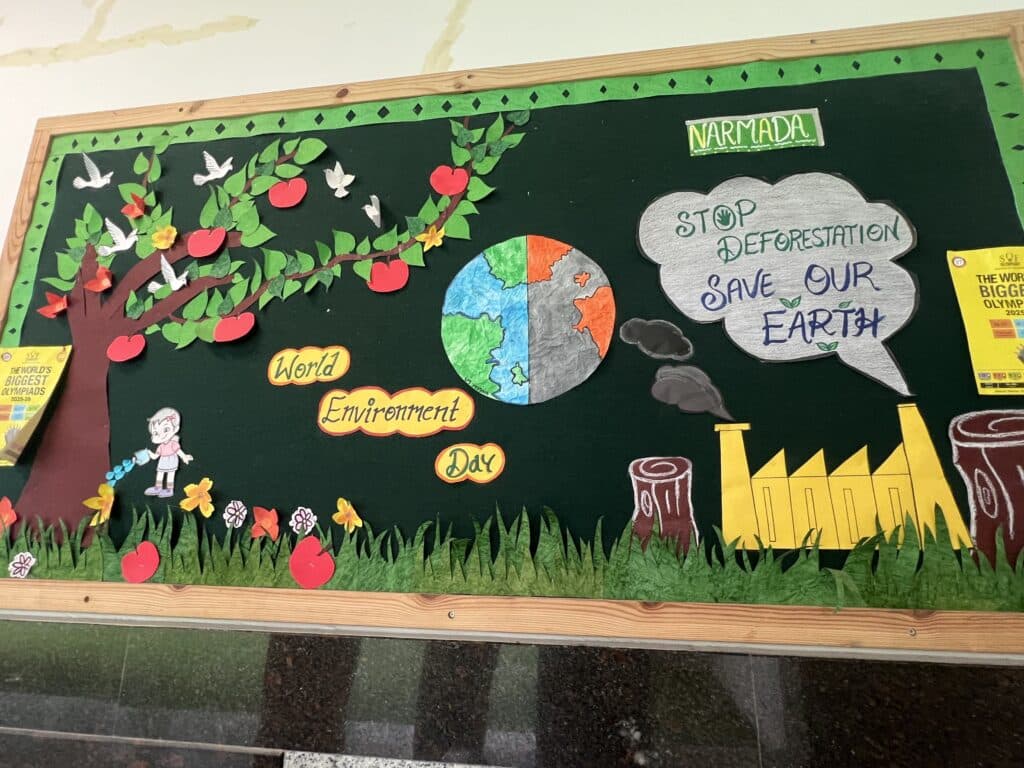
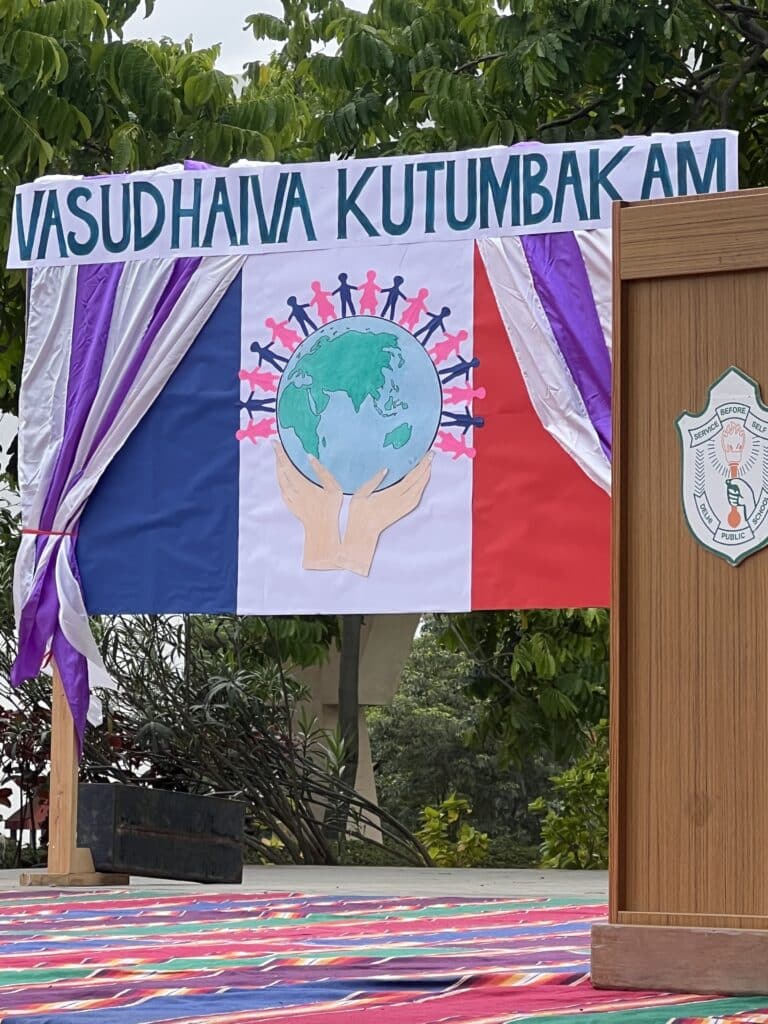
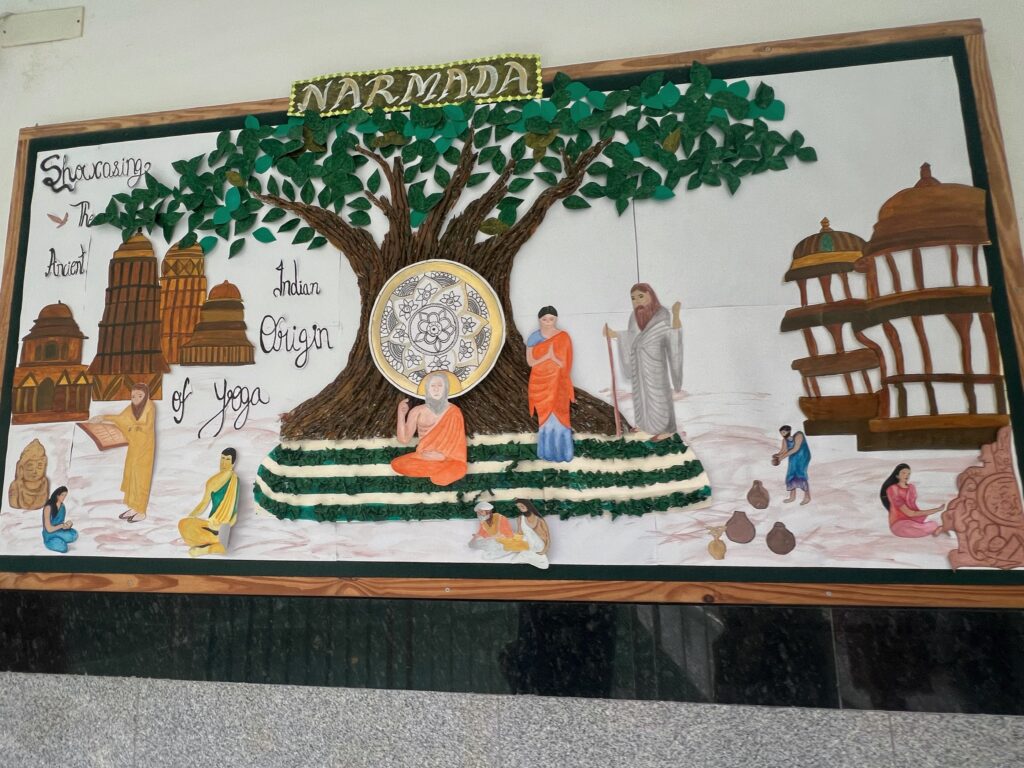
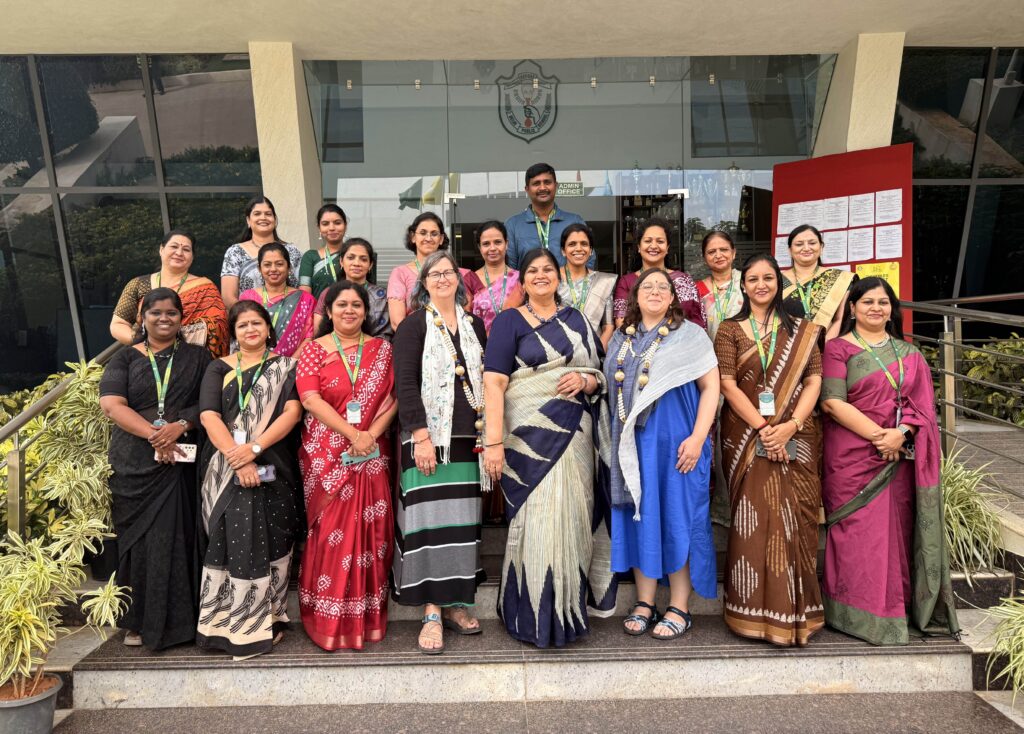
In Bangalore, Samantha and I were hosted at Delhi Public Schools, Electronic City, a school of approximately 5,000 students nursery to grade 12. Founded in 2014, the campus buildings were modern and bright, with lots of light. In our three days at DPS E-City, Samantha and I collaborated with teachers in conversations about best practices, taught lessons, gave brief remarks during a morning assembly and attended the school’s Investiture Ceremony to inaugurate the school’s student council members for the new school year. We visited hobby clubs, taking part in singing and dance activities, and sat in on the school’s leadership team meeting. Any sense of timidness on the part of staff or students to interact with us quickly fell away, whether we were waving goodbye to what seemed to be all 120 buses at dismissal, having to be pulled away from the many curious questions of grade 5 students or engaging in honest conversations with faculty members about teaching and learning. It was clear to me that DPS E-City is a school that values all its stakeholders — students, parents, staff and management alike — and, despite its size, it felt like a cohesive community, one that I was reluctant to leave so quickly. Dhanyavadagalu, hogi bartini!
For me, as a teacher and as a parent, a sense of community is something that I personally value and believe to be important in a student’s education. In Chicago, many schools — even high schools — are quite small by Delhi or Bangalore standards. It was reassuring to see how all the schools we visited worked together to try to create spaces of connection, whether it was the library space at SS Khalsa, the friendship bench in the Stressbusters room at Sarvodaya Vidyalaya, the mentoring programs at Sanskriti School or the house competitions at Sanskriti and DPS. These experiences had me consider the ways in which my own school offers similar spaces for connection and community-building, be them physical spaces, programmatic choices or through continually refining how we transmit our school’s core values and mission.
Another area of reflection was in the robust student council and other student leadership programs we witnessed during our visits. Student agency has become a popular topic in US educational spaces; indeed, one of the four pillars of global education is taking action. Why not begin by encouraging students to start with their immediate community, school or neighborhood? The student council at my school is elected, rather than selected by faculty members, as in some of the Indian schools we visited. It primarily operates to provide support to administrative or PTO projects and also works on community service projects. I continue to wonder about the ways in which we might promote student agency and ownership over the physical space in my school, such as allowing student groups to decorate bulletin boards as hobby clubs did in Sanskriti, or beautifying spaces such as the plant display from the Eco-Club on a wall in the courtyard of Sarvodaya Vidyalaya.
Entry #8
Language, Art and Life: Reflections on Guiding Questions
For the field experience, we were asked to develop a set of guiding questions to help somewhat focus our attention during our time in India. Below is a photo of what I wrote back in the spring:
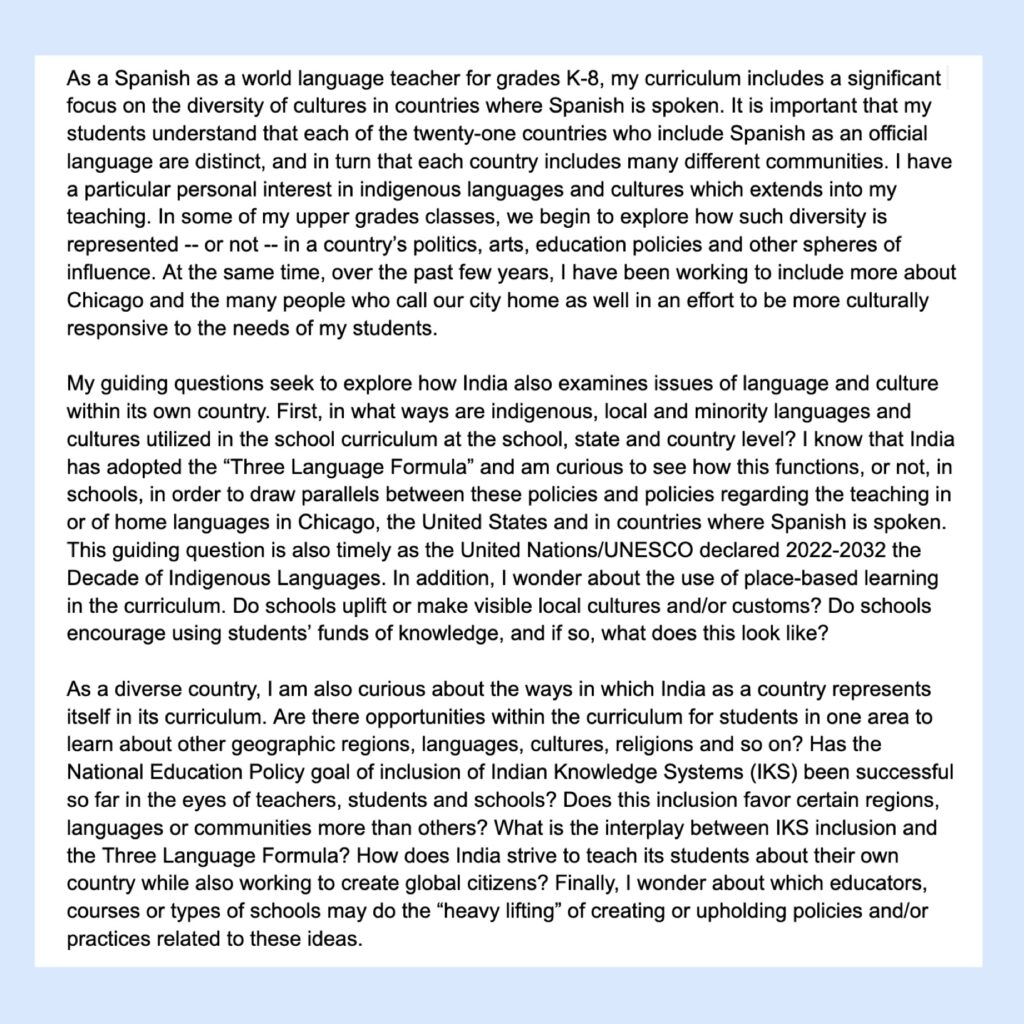
First up, language:
On our final day, we were likewise asked to reflect on these questions and on our experience overall. Of the language policy, I wrote on our poster “It’s complicated,” perhaps to the dismay of others. What does it mean to learn a language? A pragmatic approach might be what was said to me at one point during the field experience: “A language is learned when it is needed.” But how do we decide what languages are needed and by whom? How do we decide how much of a language is enough, or when the language should be learned?
What does it mean to learn a language?
Multilingualism is a way of life in India. It is estimated that India has over 1600 languages, 22 of which are recognized in the Constitution. The Central Institute of Indian Languages lists primers in 117 languages on its page. It is not uncommon for the average person to know two, three or four languages or more. However, where and how children and adults learn additional languages, I learned, can be contentious. Under the section on multilingualism and the three-language formula in the National Education Policy from 2020, schools are supposed to “wherever possible” teach in the local language or mother tongue until grade 5, with students also typically learning in English and in a second Indian language, often Hindi. According to supporters, the three-language formula, originally created in 1968, is meant to provide cohesion, promote continued multilingualism, and provide recognition of mother tongues in the school setting. However, detractors believe that the policy is not implemented evenly across states, that it ultimately promotes Hindi in areas where it is not typically spoken, thereby de-emphasizing local languages, and/or that it fails to address situations such as those in which students’ mother tongues are varied or may not match the local language insisted upon by state governments. This article from the Times of India summarizes some of the current challenges.
Although my original question focused on the implementation of the policy, rather than on the politics of it, the degree to which extent states, rather than the federal government, should exercise control over educational policies is also a continual hot topic in the United States. How should local control in schools be exercised, and at what level? What types of decisions should be allowed to be made at the local school or district level, the state level, or the federal level, and about what? The answers to these questions are not always clear.
What then, of a country like the United States? Here, some would argue that learning a language other than English is never needed. However, here we have many children with a diversity of mother tongues, ones whose sounds may never be heard officially in a classroom. We, like India, are a pluricultural country. It is estimated that 22% of people in the United States speak another language at home, a number that has significantly grown in recent years. Language learning, then, is more than pragmatic. It not only has cognitive or economic benefits, but it also can serve to unite, to recognize, to honor and to build understanding, empathy and connections across communities. As a world language teacher, I believe that the recognition of home languages and the teaching of languages other than English, even in predominantly monolingual communities, are both critical components of implementing global education and of building global competence in the United States. Not only will it help our students become better global citizens, but it will help them become better local citizens as well.
Cultural Education:
Much like languages, the idea of how to include cultural education in schools is another important topic in both India and the United States. India’s National Education Policy seeks to promote Indian arts, culture and ways of knowing explicitly within the curriculum. We were fortunate to attend a presentation and workshop with the Centre for Cultural Resources and Training (CCRT) that showcased India’s diversity of art, music and dances. At the Delhi District Institute of Education and Training (DIET) Moti Bagh, we saw future teachers engaged in creating artwork in Waril and Lippan styles and learning about Indian Knowledge System. In schools, classes and hobby clubs focused on art, dance forms such as Kathak and Bharatanatyam, and music are common.
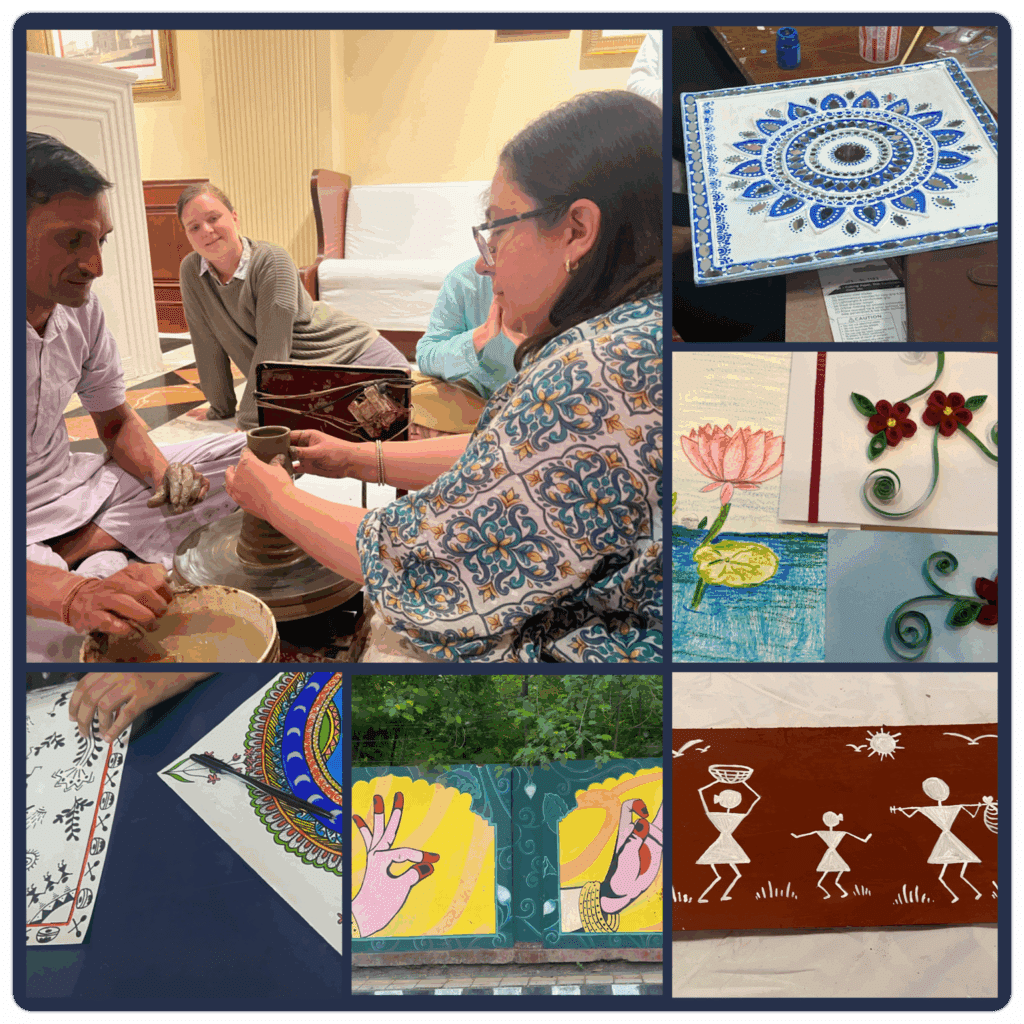
“Art is an international language, understood by all.” -quotation on the wall of the art room in Sarvodaya Vidyalaya School
I appreciated seeing how many opportunities students in India often seemed to have within their school day. With shorter class periods overall than many US schools, subjects such as the arts, sports, mindfulness and yoga were built into the school schedule. In addition, even if rehearsed, students seemed to have many public speaking or other opportunities to participate in assemblies, whether grade-level morning assemblies or larger events. Morning assemblies also serve to reinforce values and expectations and to build community. In my opinion, this focus on holistic development is something schools in the United States can learn from India. I look forward to thinking about the ways in which some of these practices might be adapted for my own school’s needs and schedule, rather than relying on outside of school time, which can create disparities in who might be able to participate. I was recently encouraged by my school leadership’s decision to hire a dance teacher. As a parent at the school where I teach, I think it is an excellent step towards providing all students with additional arts integration. I am excited to see how this addition might spark enthusiasm and help support our learners to grow in new ways.
Final Reflections
Given my own academic background, when traveling, despite noticing obvious differences, I typically look for commonalities. There were differences between the two educational systems, for sure, based in part perhaps on differences between the two countries along the spectrum of collectivism versus individualism. Things like uniforms, seating arrangements, teaching styles, all things that might be considered more traditional in the US system. However, we might also add safety as a difference in the US, as well as informality and personal expression. However, just as there are differences, I also found much in common: smiles and curiosity, but also peer and parental pressures, a desire for success and well-being, to be recognized and to belong. To be loved.
One could say that India is a country full of differences: different geographies, foods, cultures, religions, languages, peoples. The varied regions and communities in the US, too, have their differences, even if we may seem uniform in certain ways. Both countries’ educational systems continue to seek answers to important questions — Who are we? What defines us? What do we value? What does it mean to be Indian? What does it mean to be from the United States? This constant, ever-evolving and at times contentious construction of identity is inherent in the ways in which we educate our children. Indeed, schools may be the first place other than home where children learn, play, and interact with others. One Fulbright alumna from India I spoke with described schools as being places with “pockets of possibilities.” How we think about, care for and shape these possibilities will help define our world. May we all imagine and continue to reimagine them with curiosity, empathy and a sense of responsibility for our communities, both local and global, and for our entire world.